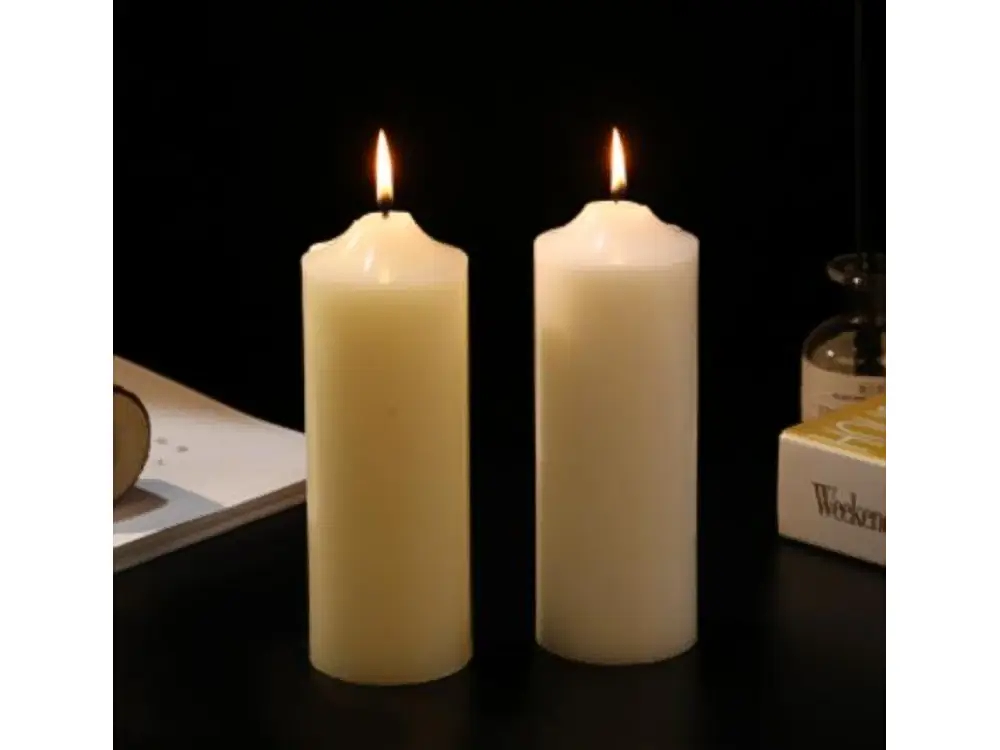
Burn testing answers a practical development question: does this particular configuration behave as intended when used according to its instructions? It also helps identify which change requires another test.
Identify the Complete Sample
Give every test unit a code. Record the wax grade, fragrance code and loading, wick specification, vessel dimensions, fill, production date, process revision and curing conditions. Include relevant dye or other approved components.
If two candidates differ, state the difference precisely. “Larger wick” is less useful than the supplier’s actual code. Unidentified samples make later interpretation and production approval difficult.
Choose an Appropriate Test Method
Use a method suitable for the product and intended market, with qualified support where necessary. A supplier’s development tutorial can explain the workflow, but does not replace applicable requirements or establish universal pass criteria.
Set the room conditions, placement, burn and cooling cycle, wick preparation and observation schedule before starting. Test in a controlled setting that permits safe supervision. Do not leave a burning test candle unattended or place competing samples so close that they materially affect each other.
What Should the Record Include?
| Record area | Useful observations |
|---|---|
| Sample identity | Formula, wick, vessel, fill and batch |
| Conditions | Location, airflow, cycle duration and cooling interval |
| Flame behavior | Changes in height, stability and visible smoke |
| Melt behavior | Pool development, wax remaining and wick position |
| Vessel and components | Condition during and after each cycle |
| End of use | Stop point, remaining wax and any abnormal event |
Photographs taken consistently can make comparisons easier. Record measurements with the appropriate instrument and method; a hand-touch impression is not an adequate temperature measurement.
Evaluate the Whole Usable Life
Performance can change as the wax level falls and the wick is consumed. Continue the planned evaluation to the defined stop point rather than approving only the top portion of the candle.
Describe the melt pool rather than chasing a universal time-to-edge target. Vessel geometry and the stage of use influence what a reasonable result looks like. Changing the wick solely to make the first melt pool wider can introduce other problems later.
Stop a test if an unsafe condition develops, follow the test procedure and document what happened. Do not continue an abnormal burn just to complete a spreadsheet.
Separate Fragrance Assessment from Safety Acceptance
Room fragrance matters commercially, but strong scent does not override unacceptable burning behavior. Record hot scent character and intensity under comparable conditions, and make clear whether that observation is sensory or instrumental.
For a weak fragrance result, consider the entire configuration before increasing fragrance loading. Our guide to candles with weak scent discusses the product-development questions behind that complaint.
Turn Findings into a Decision
Record whether the configuration is approved, revised or rejected, and why. Link the decision to the sample codes and complete test records. If a component changes, review what needs to be repeated before production.
Where practical, evaluate multiple units and production-representative samples. One successful handcrafted prototype does not describe normal manufacturing variation. Agree on how routine batch checks will relate to the initial approval.
Frequently Asked Questions
Can I approve a candle after one burn?
A first burn gives limited information. Evaluate the complete usable life using a suitable method.
Is a full melt pool always the main target?
No single observation determines approval. Flame, vessel, wick and whole-life behavior also matter.
Does changing fragrance require another test?
A fragrance change can affect the finished system. Review and repeat relevant evaluation before approval.
Can a tutorial certify a candle?
No. A tutorial provides development guidance; appropriate testing and applicable requirements remain separate responsibilities.
Browse OLFAY candle formats and contact our team with your vessel and fragrance brief to discuss sample development and records.
Further Reading
Developing a Private Label Fragrance Product?
Talk with our team about fragrance development, packaging and production requirements.