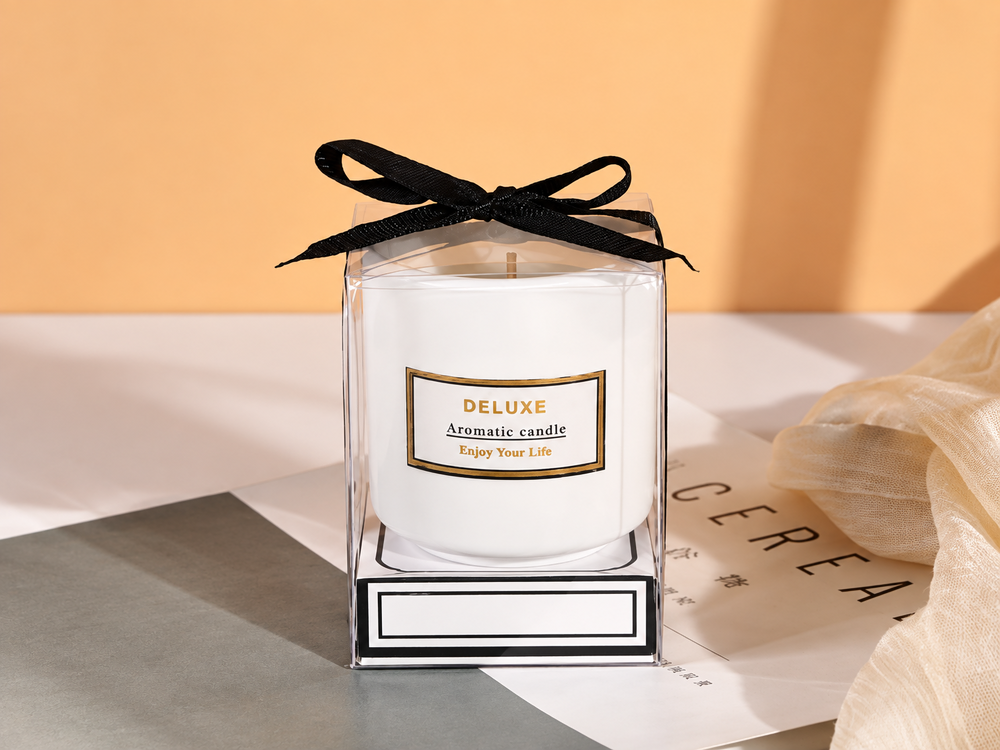
Frosting matters because customers judge a candle before lighting it. A brand can accept some material variation while still setting clear standards for how the product should look when sold.
Identify the Observation First
Describe where the change appears: on the top surface, against the glass or throughout the visible wax. Photograph it under consistent lighting and record when it developed. Note whether the area looks dry and crystalline or contains visible liquid.
Supplier troubleshooting guidance describes frosting in relation to wax crystallization. That explanation does not mean every pale patch is frosting. A liquid layer, unusual odor, foreign material or a damaged vessel needs separate investigation.
What Can Influence Appearance?
The exact wax grade, fragrance, dye, processing and storage conditions can influence the finished appearance. A particular supplier’s recommendations apply to its own grade and process. Avoid treating one pouring temperature as a universal cure.
When investigating, review the batch record and material guidance before changing the recipe. Several simultaneous changes can improve a sample without revealing which change mattered.
| Investigation question | Useful evidence |
|---|---|
| Was the grade unchanged? | Supplier identity and batch records |
| Was the process consistent? | Recorded temperatures and handling times |
| When did frosting develop? | Photographs after pouring, storage and use |
| Was storage different? | Conditions and shipment history |
| Is it only visual? | Separate checks for other defects and burning behavior |
Set an Appearance Standard
Keep an approved sample and a small set of images showing acceptable and unacceptable variation. Define the viewing conditions and product stage. “No frosting” can be a difficult purchasing instruction if neither party has defined what counts as a visible defect.
Colored wax can make pale variation more noticeable. Evaluate the actual color and vessel intended for the range. A clear jar and an opaque container also present the wax differently, even when the underlying formulation is the same.
Run Controlled Development Comparisons
Follow the wax supplier’s recommended processing window as a starting point. Compare a small number of documented changes while holding the other variables constant. Allow samples to undergo the relevant storage and use conditions before deciding that an appearance issue is solved.
Do not keep remelting finished inventory until the top looks better. Uncontrolled rework changes the process and may affect other aspects of the product. Agree on a rework procedure with the manufacturer if one is appropriate.
Keep Appearance and Performance Decisions Separate
A frosted appearance alone does not establish a burn failure. Equally, an attractive surface does not establish acceptable whole-life performance. Retain both appearance evaluation and burn-test records for the approved configuration.
If the proposed remedy changes the wax, fragrance or process materially, review the finished candle again. Changing the formulation to improve photography should not bypass the performance checks that supported the original approval.
Explain Variation Clearly to Customers
If the brand accepts a degree of frosting, describe it accurately and briefly. Do not claim that it proves purity, safety or superior quality. A visual pattern is not a certification of the ingredients.
Customer service should distinguish cosmetic variation from reports of leakage, unusual burning or damaged glass. A single stock response about natural wax is not appropriate for every complaint.
For related material decisions, explore OLFAY candle products and our guide to fragrance loading in candles.
Frequently Asked Questions
Does frosting mean a candle is unsafe?
Frosting itself is usually treated as an appearance issue. Assess other observations and the complete candle separately.
Can every soy candle be made permanently frost-free?
Avoid that universal promise. Evaluate the exact formulation through relevant storage and use conditions.
Is frosting the same as fragrance oil seepage?
No. A dry crystalline appearance and visible liquid are different observations requiring different investigations.
Should a brand reject all visible frosting?
That depends on the agreed appearance specification. Establish it before approving production.
Contact OLFAY with photographs, material details and your desired finish to discuss the sample-development brief.
Further Reading
Developing a Private Label Fragrance Product?
Talk with our team about fragrance development, packaging and production requirements.