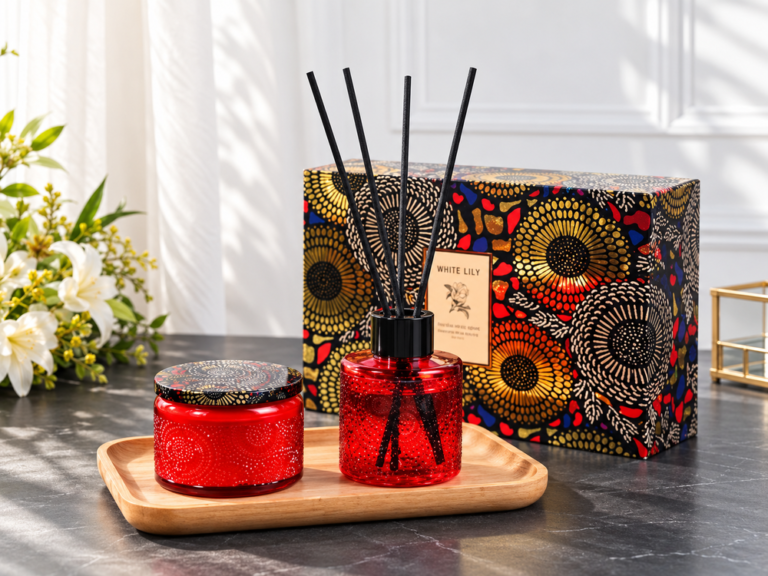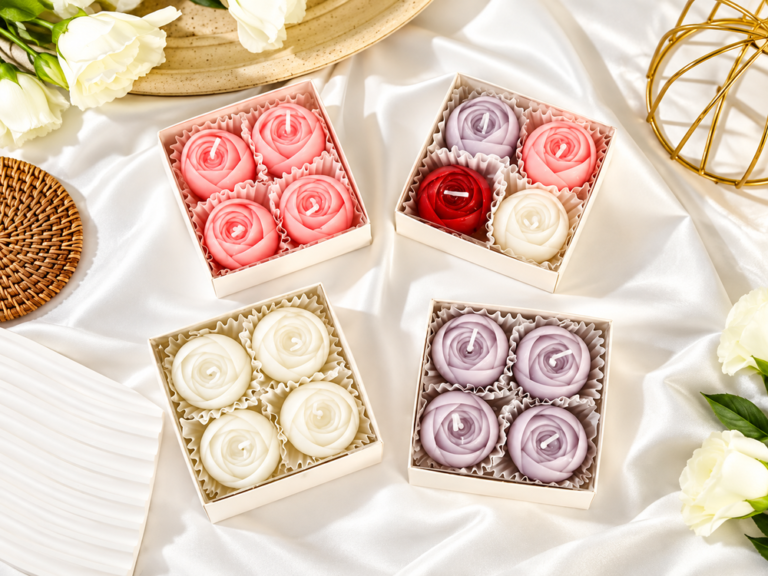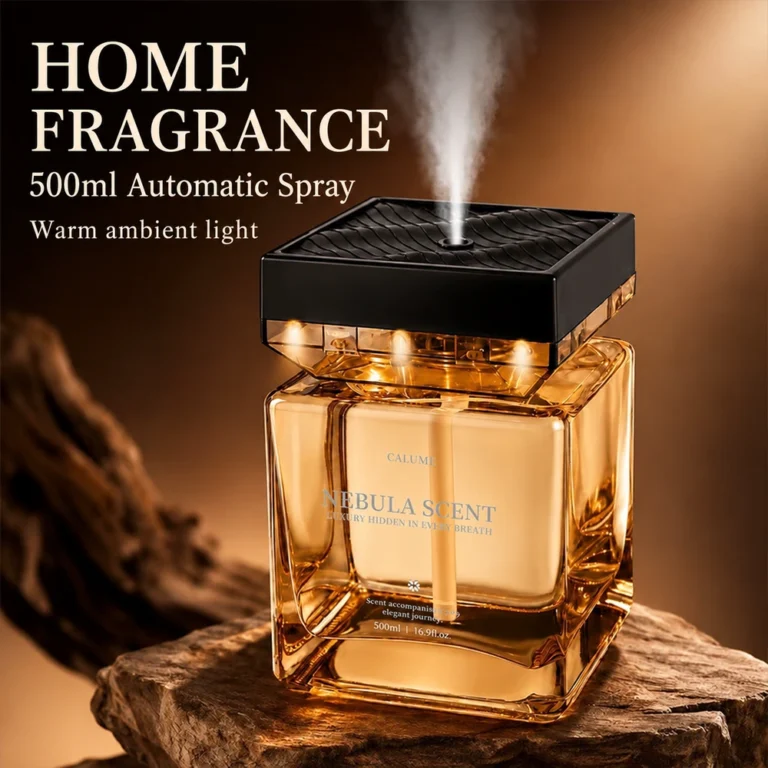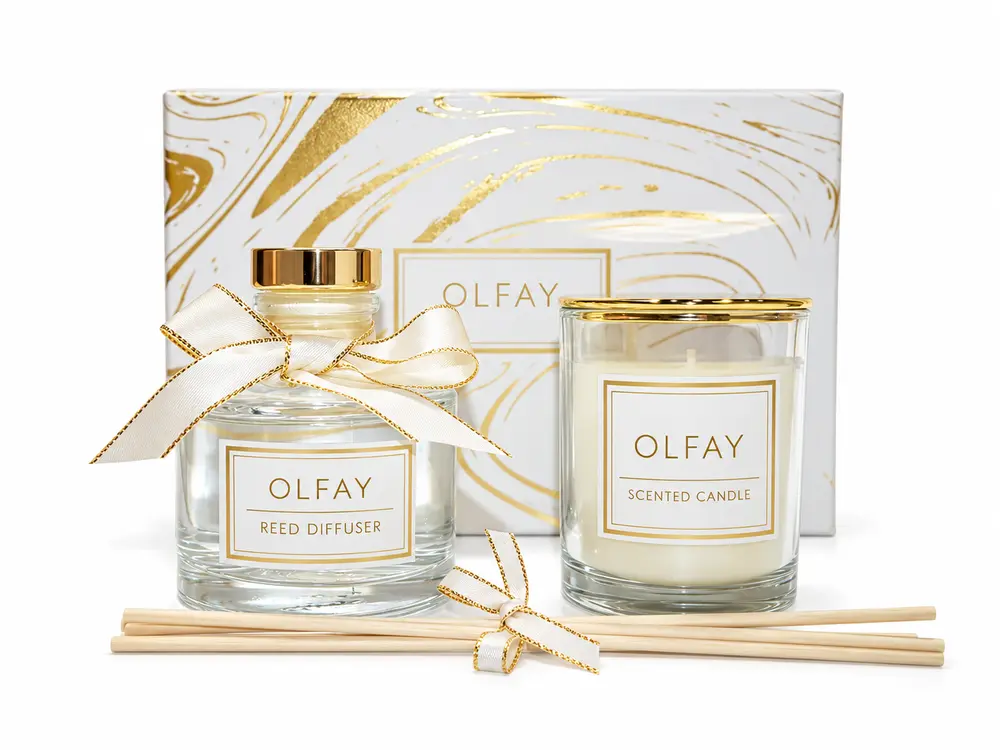
If your fragrance brief says “fresh, elegant and welcoming,” bergamot is a useful note to explore. The important question is how that brightness supports the complete scent, rather than how prominently the word appears on a label.
This guide explains the bergamot scent profile and offers practical ways for brands to compare samples for candles, reed diffusers and room sprays.
What Does Bergamot Smell Like?
Imagine the zest of a citrus peel with a lightly bitter edge, then soften it with a green, almost floral impression. That combination is a useful starting description of bergamot. Different extracts and finished fragrances vary, so a reference sample remains more useful than a description alone.
Bergamot is also familiar through the aroma associated with Earl Grey tea. A bergamot-led home fragrance does not automatically smell like tea, however: the surrounding notes determine whether the final impression is leafy, floral, woody or more directly citrus.
| Scent facet | How to describe it in a brief | What to check in a sample |
|---|---|---|
| Citrus brightness | Fresh peel, lively opening, clear rather than syrupy | Does the opening feel pleasant or excessively sharp? |
| Gentle bitterness | A refined peel edge | Does bitterness add character or dominate? |
| Green character | A leafy, aromatic freshness | Does it complement the heart of the fragrance? |
| Floral softness | A rounded transition into floral or tea notes | Does the scent stay balanced after the first impression? |
Bergamot vs Lemon, Orange and Grapefruit
These notes belong to the citrus vocabulary, but they suggest different creative directions. Lemon often communicates a direct, tart brightness. Sweet orange suggests a rounder, juicier sweetness. Grapefruit can emphasize a bitter, pithy sparkle. Bergamot is useful when you want citrus freshness with a softer aromatic transition.
Those are briefing comparisons, not rules for every formula. A sweetened bergamot accord may feel softer than a dry orange composition. Ask your supplier to compare actual finished samples rather than treating the note name as a guarantee.
Is Bergamot Essential Oil the Same as a Bergamot Fragrance?
No. A bergamot essential oil is a botanical material. A bergamot fragrance may be a formulated composition containing different aroma materials selected to create a bergamot impression and support a particular application.
Neither label tells you everything about performance. A fragrance can smell convincing on a blotter yet behave differently in wax or a diffuser base. Request the exact material identity, its intended applications and the documentation relevant to the finished product you are developing.
Terms such as FCF describe a material specification; they do not replace application testing or make every product universally suitable. For a purchasing brief, keep the scent description separate from ingredient and finished-product claims.
Five Bergamot Pairing Directions for Home Fragrance
The following are creative starting points to discuss with a fragrance developer. They are not recipes or claims about an available OLFAY formula.
1. Bergamot and Tea
Choose this direction for a light, polished identity. Specify whether you want dry black-tea character, airy white-tea softness or a greener interpretation. Compare the tea heart after the initial citrus impression, so the collection has more depth than a generic fresh scent.
2. Bergamot and Soft Woods
A woody foundation can make a bright opening feel grounded. Decide whether the wood should be dry, smooth or creamy. Avoid describing every woody pairing as masculine: the full composition and your brand presentation determine the character.
3. Bergamot and White Florals
This direction can connect a lively opening with a more expressive floral heart. Ask for contrasting samples, such as a transparent floral version and a fuller one. The distinction helps you choose the right intensity for a small room, retail space or gift collection.
4. Bergamot and Clean Musk
Use this as a brief for a clean, understated atmosphere. Clarify whether “clean” means fresh laundry, soft skin-like warmth or an airy interior scent. These ideas can smell quite different despite sharing the same descriptive word.
5. Bergamot and Warm Amber
A citrus opening can introduce a warmer, more enveloping composition. Check that the transition feels connected rather than like two separate fragrances. The balance of freshness and warmth should match the collection’s intended season and setting.
Evaluating Bergamot in Candles, Reed Diffusers and Room Sprays
A shared scent name is a brand decision; matching its character across formats is a development task. Evaluate each finished product separately.
- Candles: compare the unlit impression and the burning fragrance after the sample has been prepared and tested under an agreed protocol. Record whether the citrus character remains recognizable alongside the supporting notes.
- Reed diffusers: assess the complete liquid, bottle and reed combination. A good blotter impression does not establish diffusion performance or useful life.
- Room sprays: assess the initial spray impression and the scent remaining in the room. If a product is also intended for fabric, require separate fabric-compatibility evaluation.
For background on scent structure, explore fragrance accords and how fragrances are developed.
What to Include in a Bergamot Fragrance Brief
Instead of requesting “a luxury bergamot scent,” give your supplier a clearer decision framework:
- Identify the product formats and target setting.
- Describe the desired citrus character: peel-like, green, softly floral or sweeter.
- Name the preferred supporting direction, such as tea, wood or musk.
- List impressions you want to avoid, such as excessive sharpness or heavy sweetness.
- Agree on sample comparison conditions and the evidence needed before approval.
A concise brief makes differences between samples easier to discuss. You can accept a balanced composition even if bergamot is not the strongest individual note.
Frequently Asked Questions
Does bergamot smell like Earl Grey tea?
Bergamot contributes the familiar citrus aroma associated with Earl Grey. A bergamot fragrance without a tea accord may smell much more directly citrusy.
Is bergamot a sweet scent?
It can contain sweetness, but its appeal often includes a gently bitter, green edge. The finished formula may emphasize either facet.
Can the same bergamot scent be used in a candle and a diffuser?
The same scent direction can be developed for both, but suitability and performance must be confirmed for each application. Do not assume that one concentrate works unchanged in every format.
What makes a bergamot home fragrance feel premium?
A coherent composition, appropriate intensity and consistent finished-product performance matter more than the note name alone. Packaging and clear positioning should support that experience.
Further Reading
This article uses original brand-development guidance alongside supplier descriptions. For further reading: Pura’s bergamot scent overview, CandleScience’s Bergamot Element description, and Hermitage Oils’ bergamot material reference. Supplier-specific specifications apply to their own materials.
Developing a Private Label Fragrance Product?
Talk with our team about fragrance development, packaging and production requirements.