A lily-of-the-valley product can feel airy and spring-like, softly powdery or more rounded. For a brand, defining that texture matters as much as naming the flower.
What Is a Muguet Accord?
Muguet is the French name for lily of the valley and a familiar term in fragrance development. An accord combines materials to create a coherent scent impression. It can suggest the flower without using a simple botanical extract.
That distinction is useful when writing product copy. Describe the floral impression accurately, but keep ingredient statements grounded in supplier documentation. A notes list describes perception, while a technical ingredient statement serves a different purpose.
Green Floral vs Powdery Floral
Fresh greenery can make a lily-of-the-valley fragrance feel clear and lively. Powdery or musky support may make it softer. Both can be attractive, but they answer different briefs.
| Brief | Desired result | Main risk to evaluate |
|---|---|---|
| Airy green floral | Delicate flowers and leafy freshness | The scent becomes too faint or vaguely fresh |
| Soft floral | Rounded flower with gentle texture | Powder overwhelms the flower identity |
| Bouquet floral | A more expressive floral heart | Supporting flowers obscure the muguet character |
How to Build Useful Contrast
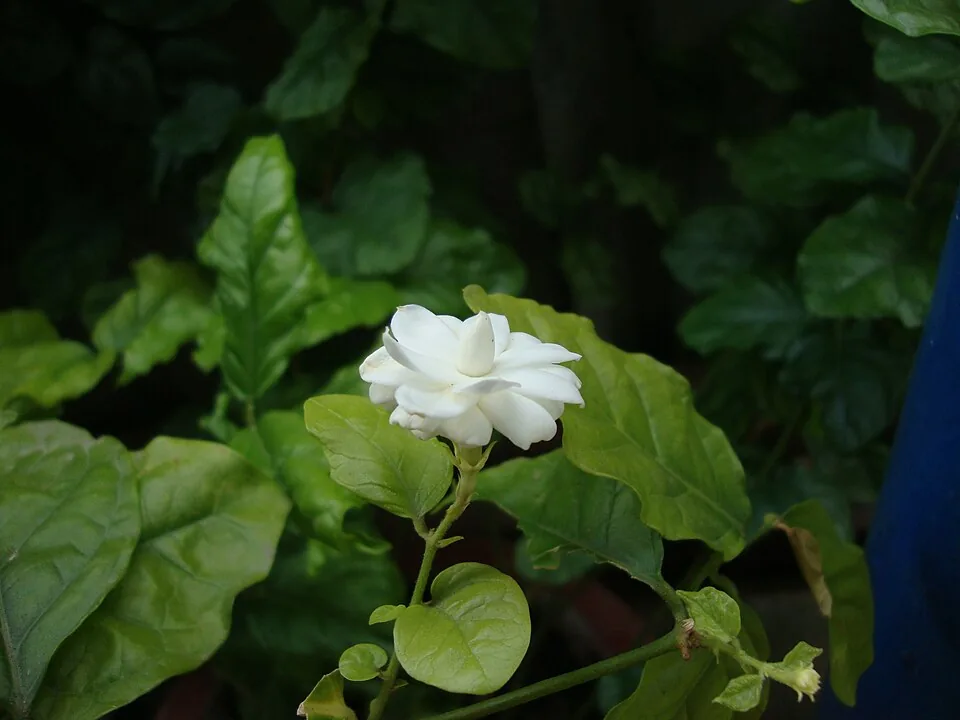
Compare lily of the valley with a jasmine-led sample. Jasmine may suggest a fuller white-floral character, while a muguet direction can emphasize fresher greenery. The distinction is useful for collection design, although individual formulas vary.
For a lighter floral range, discuss green support or a restrained citrus opening. For a softer version, consider a gentle musk or powdery background. A woody direction can add structure, but ask whether the wood should be a quiet foundation or a noticeable part of the scent.
These options are original development suggestions. They are not a formula, and a familiar note combination does not guarantee technical compatibility in a candle or diffuser.
Avoiding Vague Clean-Fragrance Positioning
“Clean” can mean fresh laundry, soap-like freshness, airy florals or restrained musk. If a brief uses that word, add sensory detail. A scent expected to feel like fresh flowers may disappoint if the sample is dominated by a laundry-style accord.
The same precision helps product descriptions. Use words customers can connect to a preference, such as green, floral, soft or powdery, instead of a long string of abstract luxury adjectives.
Finished-Product Evaluation
Assess candles both unlit and during controlled burn evaluation. A delicate fragrance should still deliver the agreed room experience; delicacy in style should not be used to excuse performance that fails the brief.
For reed diffusers, test the approved fragrance with the intended base, bottle and reeds. Record the scent’s character and intensity separately. If one sample performs better, identify whether its configuration differs before deciding that its floral formula is superior.
For a room spray, compare the immediate effect and the scent left in the room. Test the final package and intended use rather than judging only a fragrance blotter.
Sample Brief and Approval Notes
State whether green freshness or soft floral texture is the main objective. Identify the desired strength and product formats. List unwanted associations, such as strong soap, heavy powder or excessive sweetness.
Ask evaluators to record what they notice first and what remains most recognizable. Those observations help the developer decide whether to adjust the opening, heart or supporting texture. Our fragrance creation guide covers that process; fragrance accords explain how floral identities are built.
Frequently Asked Questions
Is lily-of-the-valley fragrance a flower essential oil?
Do not assume so. A muguet accord is a formulated scent impression, and the supplier should identify the actual material offered.
Does lily of the valley smell like jasmine?
They can share floral vocabulary, but their intended impressions differ. Compare actual samples to choose the desired freshness and fullness.
Is a muguet candle always powdery?
No. Powdery character depends on the supporting composition.
Can it be used in a private label range?
It can be developed as a scent direction. Confirm the specific fragrance’s applications and finished-product performance before approval.
Contact OLFAY with your green-floral or soft-floral preferences to discuss samples.
Further Reading
Developing a Private Label Fragrance Product?
Talk with our team about fragrance development, packaging and production requirements.