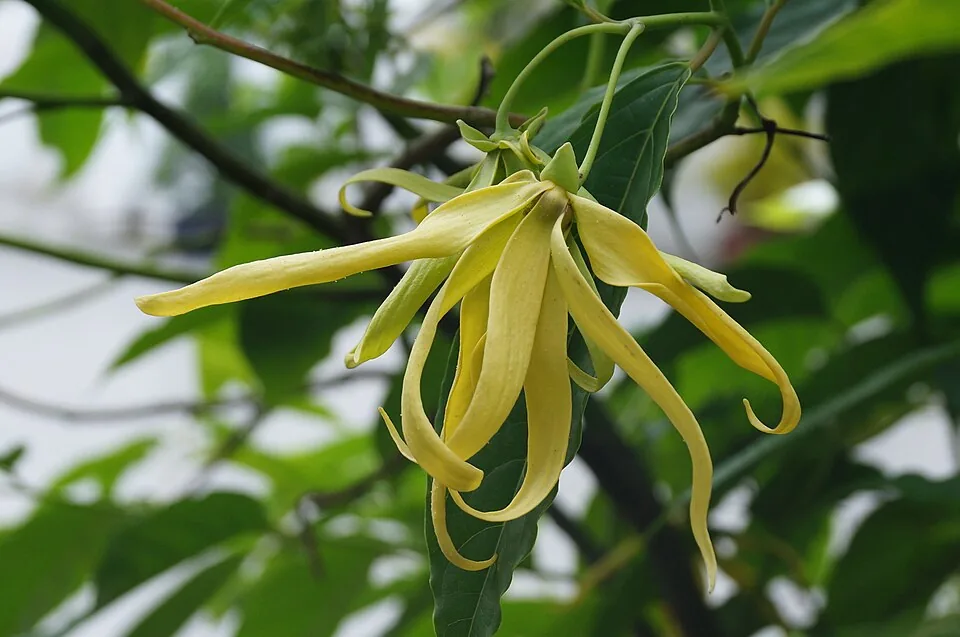
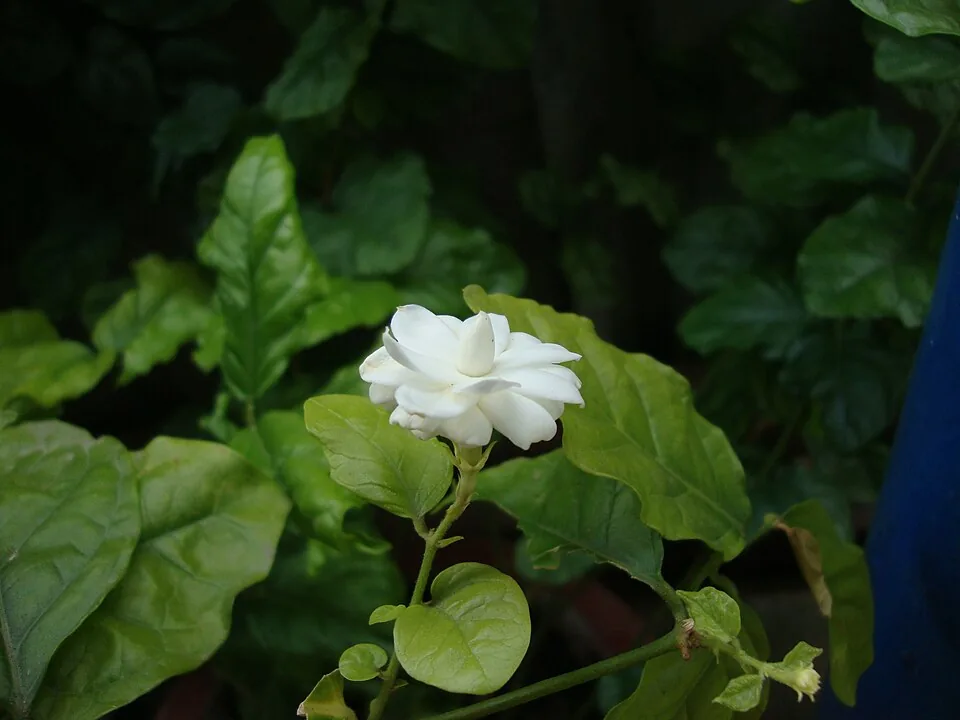
The name is familiar to many incense users, but familiarity can create strong expectations. A brand should clarify which part of that identity it wants to carry into a new product.
A Fragrance Identity Rather Than One Universal Formula
Nag Champa is a scent tradition and commercial fragrance vocabulary, not one publicly fixed formula used by every manufacturer. Supplier interpretations may emphasize floral sweetness, sandalwood-like warmth, darker woods or a more pronounced incense character.
Do not infer that every product contains the same natural materials or follows a traditional manufacturing method. Ingredient and origin claims need separate confirmation.
Modern supplier descriptions offer different incense-like interpretations of Nag Champa. Compare the actual fragrance rather than assuming the name specifies one formula, construction or intensity.
Why Incense, Candles and Oils Smell Different
An incense stick releases fragrance in the context of combustion. A candle uses a wax-and-wick system, while a reed diffuser delivers fragrance from a liquid through passive evaporation. The delivery method forms part of the scent experience.
If your reference is burning incense, tell the developer whether you want the floral-woody identity, the smoky effect or both. An unsmoked fragrance sample cannot be judged fairly against a smoky room without acknowledging that difference.
| Desired interpretation | What to ask for | What to check |
|---|---|---|
| Soft floral incense | A recognizable floral-woody identity | Excessive sweetness |
| Dry woody incense | More structure and less roundness | Harshness or loss of floral character |
| Smoky interpretation | A deliberate smoke-like facet | Whether smoke overwhelms the intended setting |
Applying the Direction to a Modern Collection
Nag Champa can provide the most incense-oriented option in a range. Decide what other products should complement it. A lighter green fragrance and a softer floral fragrance may create more contrast than several similar woody-incense concepts.
Avoid turning cultural associations into invented provenance. A design inspired by incense ritual can be described as an inspiration without implying traditional production or a particular geographic origin.
Also avoid presenting atmosphere language as a medical result. A customer may find an incense-style scent comforting, but the product name does not establish treatment, stress reduction or other health claims.
Sample Review: Start with Your Reference
Bring the exact reference product and describe how it was used. A dry incense stick, burning incense and a perfume oil are different evaluation references. Record which one the sample aims to resemble in character.
Compare the floral, woody, sweet and smoky facets separately. If the candidate is too dark, decide whether the issue comes from smoke, earthy texture or overall intensity. That distinction gives the developer a practical revision target.
For candles, approve the complete product through scent evaluation and appropriate burn testing. For reed diffusers, assess the final base and reed combination over an agreed period. Do not assume that a fragrance sold for candles is automatically suitable for passive diffusion or heated oil use.
A Concise Development Brief
State the reference format, desired floral-wood balance and acceptable smoke impression. Include the intended room setting and product formats. List differences you want from the reference, such as lower sweetness or a clearer wood character.
Our history of fragrance provides broader context for incense and scent traditions. Read fragrance accords to understand how a modern developer builds a unified impression.
Frequently Asked Questions
Is every Nag Champa fragrance the same?
No. Compositions and interpretations vary by maker. Compare the exact products.
Does Nag Champa always smell smoky?
Burning incense contributes smoke to the experience. A liquid or candle interpretation may emphasize floral and woody facets instead.
Can Nag Champa work in a reed diffuser?
The scent direction can be developed for passive diffusion, but the exact material and formulation need confirmation.
Is Nag Champa a single essential oil?
It is generally a fragrance identity rather than the name of one botanical essential oil. Request the supplier’s exact material statement.
Contact OLFAY with your incense reference and preferred format to discuss a development direction.
Further Reading
Developing a Private Label Fragrance Product?
Talk with our team about fragrance development, packaging and production requirements.