What does sandalwood smell like?
The simplest answer is that sandalwood has a warm, creamy and polished woody scent.
But that description does not tell the whole story.
A sandalwood fragrance can feel soft and milky, dry and minimalist, sweet and ambered, or smoky and meditative. The final character depends on the sandalwood material, the surrounding fragrance accord and the product in which the scent is used.
This versatility is why sandalwood appears so frequently in perfumes, scented candles, reed diffusers, room sprays and private label home fragrance collections.
For fragrance brands, sandalwood is more than a recognizable note. It is also a useful structural material that can add warmth, continuity and texture to the complete fragrance.
What Does Sandalwood Smell Like?
A typical sandalwood scent profile includes several overlapping characteristics.
| Scent Facet | Typical Impression |
|---|---|
| Woody | Smooth, polished wood rather than rough bark or fresh-cut timber |
| Creamy | A rounded, milky or almost buttery softness |
| Warm | Comforting warmth without the sharp heat of strong spices |
| Dry | A subtle dry-wood effect beneath the creamy surface |
| Softly sweet | Gentle sweetness rather than an edible or sugary smell |
| Soft-spicy | A mild aromatic warmth that may become clearer beside spices |
| Balsamic | A smooth, resin-like depth in richer sandalwood accords |
| Musky | A soft skin-like or fabric-like quality in some modern interpretations |
Sandalwood does not usually smell like one obvious object.
Instead, it often works as a texture inside a fragrance.
It can make a floral fragrance feel smoother, soften the edges of spice, add warmth to musk or help a woody fragrance feel more complete.
Is Sandalwood Sweet, Spicy or Woody?
Sandalwood is primarily a woody fragrance note, but it can contain soft sweet and spicy facets.
Its sweetness is usually different from vanilla, caramel or fruit.
Vanilla may smell edible, dessert-like or clearly sweet. Sandalwood tends to feel naturally rounded and creamy, with a restrained sweetness closer to polished wood, warm skin or soft milk.
The spicy side of sandalwood is also normally subtle.
It does not have the obvious heat of cinnamon, clove or pepper. Instead, it may create a quiet aromatic warmth that becomes more noticeable when paired with cardamom, saffron or other spices.
Why Can Sandalwood Smell Different from One Fragrance to Another?
Not every sandalwood fragrance smells the same.
The word “sandalwood” on a fragrance note list may refer to:
- a natural sandalwood-derived material,
- a modern sandalwood aroma material,
- a reconstructed sandalwood accord,
- or a combination of natural and synthetic materials.
Each option can emphasize different facets.
One sandalwood scent may feel creamy and milky. Another may be dry and woody. A third may appear warm, ambered and slightly sweet.
The surrounding notes also make a significant difference.
Sandalwood paired with tea and musk may feel clean and minimalist. Paired with vanilla and amber, it may become richer and more comforting. Combined with frankincense, smoke or dry spice, it can develop a more meditative incense character.
This is a clear example of why a fragrance note list does not fully explain a scent.
The structure of the fragrance accord determines how the sandalwood is ultimately perceived.
What Fragrance Family Does Sandalwood Belong To?
Sandalwood belongs primarily to the woody fragrance family.
However, it can also support several other fragrance directions:
- woody fragrances,
- amber fragrances,
- floral-woody fragrances,
- musky fragrances,
- incense-inspired fragrances,
- aromatic fragrances,
- tea fragrances,
- and soft gourmand compositions.
This flexibility makes sandalwood particularly valuable when developing a balanced home fragrance collection.
It can appear as the main recognizable scent in one product and function as a supporting base in another.
Is Sandalwood a Top, Middle or Base Note?
Sandalwood is most commonly associated with the base of a fragrance.
Base notes generally contribute depth, warmth and persistence after lighter opening materials have begun to fade.
Sandalwood works well in this role because its woody character can help connect the heart of the fragrance to the drydown.
However, modern fragrance structure is not always a rigid three-layer pyramid.
A perfumer can use diffusive supporting materials to make a sandalwood impression noticeable earlier in the fragrance. A strongly sandalwood-led composition may therefore be recognizable from the opening even though much of its structural role remains in the base.
For a broader explanation of how perfumers organize and construct fragrances, read The Art and Science of Fragrance Creation.
How Does Sandalwood Compare with Other Woody Scents?
Customers often group sandalwood, cedarwood and oud together because they are all described as woody.
However, they create very different impressions.
| Woody Note | General Scent Character | Common Brand Direction |
|---|---|---|
| Sandalwood | Creamy, warm, smooth, soft and subtly sweet | Quiet luxury, wellness, floral woods, soft amber |
| Cedarwood | Drier, sharper, pencil-like, clean and structured | Minimalist interiors, dry woods, modern unisex fragrance |
| Oud | Dark, resinous, smoky, leathery or animalic depending on the accord | Opulent luxury, dramatic amber, Middle Eastern-inspired fragrance |
| Vetiver | Dry, earthy, grassy, smoky and root-like | Fresh woods, green fragrance, sophisticated dry bases |
| Pine | Fresh, resinous, green and coniferous | Forest, seasonal, outdoor and fresh aromatic concepts |
Sandalwood is generally the softest and creamiest of these woody directions.
That makes it useful when a brand wants warmth and depth without an overly sharp, smoky or heavy result.
What Scents Pair Well with Sandalwood?
Sandalwood pairs well with a wide range of fragrance notes because its creamy woody structure can connect very different materials.
Jasmine
Jasmine adds floral richness and luminosity, while sandalwood gives the floral accord warmth and a smoother base.
Rose
Rose and sandalwood can create a soft floral-woody fragrance ranging from fresh and elegant to warm and luxurious.
Lavender
Lavender brings aromatic freshness and can turn sandalwood toward a calming wellness or bedroom fragrance direction.
Cardamom
Cardamom adds cool, green spice and makes sandalwood feel more dynamic, contemporary and less heavy.
Saffron
Saffron adds dry spice, leather-like texture and a more dramatic luxury character.
Frankincense
Frankincense introduces resinous freshness and helps create an incense-inspired sandalwood accord.
Vanilla
Vanilla emphasizes sandalwood’s creamy warmth and moves the fragrance toward a softer, sweeter and more comforting style.
Amber
Amber adds balsamic warmth, depth and richness, creating an enveloping sandalwood fragrance.
Musk
Musk can make sandalwood feel cleaner, softer and more skin-like, especially in minimalist or hotel-inspired fragrances.
Tea
Tea adds dryness and refinement, producing a restrained sandalwood scent suitable for quiet-luxury concepts.
Citrus
Bergamot, lemon or orange can brighten sandalwood and prevent a woody composition from feeling too dense.
Fig
Fig can add green, milky and fruity facets that complement sandalwood’s creamy texture.
Four Common Types of Sandalwood Fragrance Accords
A sandalwood scent can move in several very different directions depending on the materials built around it.
1. Creamy Sandalwood Accord
A creamy sandalwood accord may combine sandalwood-style materials with musk, vanilla, soft florals or milky notes.
The result feels smooth, warm and comforting.
This direction is suitable for:
- bedroom fragrances,
- wellness collections,
- soft luxury candles,
- and gift sets.
2. Dry Sandalwood Accord
A dry sandalwood accord may include tea, cedar, vetiver, herbs or mineral effects.
It feels more structured and less sweet than a creamy sandalwood fragrance.
This direction works well for:
- minimalist home fragrance,
- office environments,
- hospitality fragrance,
- and modern unisex collections.
3. Incense Sandalwood Accord
An incense sandalwood accord may combine sandalwood with frankincense, myrrh, smoke, resins or dry spice.
The effect can feel meditative, architectural or ceremonial.
It does not need to reproduce literal burning incense. A modern interpretation can remain clean and highly suitable for contemporary interiors.
4. Fresh Sandalwood Accord
A fresh sandalwood accord may include citrus, aromatic herbs, cardamom, green notes or transparent musk.
The fresh opening creates movement, while sandalwood gives the fragrance a warm and lasting base.
This style is often easier to use year-round than a heavy amber-wood composition.
Sandalwood in the History of Fragrance
Aromatic woods have played an important role in Asian fragrance traditions for centuries.
Historical incense and compound fragrance practices used aromatic woods together with resins, herbs, flowers and spices.
Sandalwood became valued not only for its recognizable smell, but also for its ability to create warmth and structure in blended fragrance.
That same function remains relevant in modern perfumery.
Although today’s fragrance materials, extraction methods and product systems are different, the central creative principle is familiar: aromatic woods can act as both a scent and a foundation.
For a broader historical overview, read our pillar guide to the history of fragrance.
How Does Sandalwood Work in Scented Candles?
A sandalwood scent is especially suitable for scented candles.
The warmth of candlelight naturally supports the note’s creamy, woody and comforting character.
But “sandalwood candle” is still too broad to function as a complete product brief.
A brand should decide whether the target candle should feel:
- creamy and comforting,
- dry and minimalist,
- smoky and incense-inspired,
- floral and elegant,
- fresh and aromatic,
- or warm and ambered.
The formula should then be evaluated in the actual wax system.
Important candle-development factors include:
- cold throw before burning,
- hot throw during burning,
- wax compatibility,
- fragrance load,
- wick selection,
- vessel dimensions,
- and curing conditions.
Four Different Products from One Woody Note
- Quiet Hotel: sandalwood, black tea, bergamot and clean musk
- Warm Library: sandalwood, amber, paper-like woods and soft spice
- Night Garden: sandalwood, jasmine, green leaves and musk
- Modern Incense: sandalwood, frankincense, cedar and mineral notes
Each concept uses sandalwood, but the final customer experience is completely different.
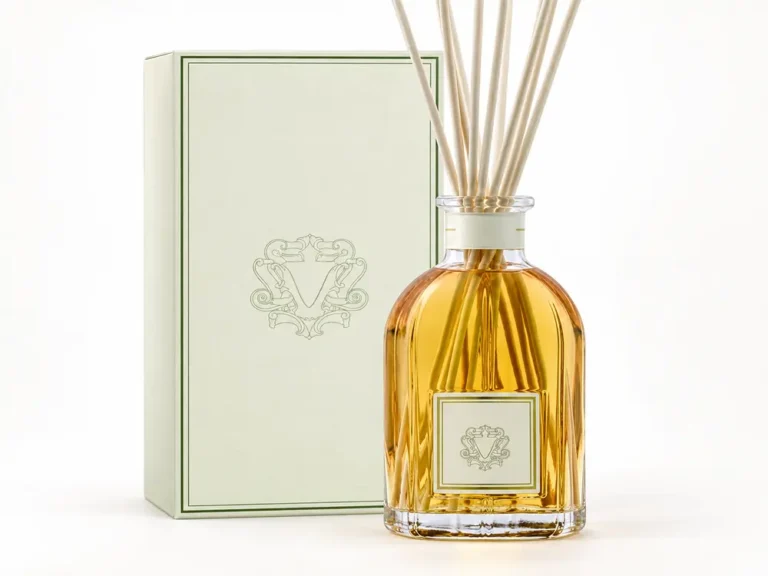
How Does Sandalwood Work in Reed Diffusers?
In reed diffusers, sandalwood can provide continuity and depth throughout the product’s use period.
Lighter citrus, green, floral or spicy materials may create the first impression, while the sandalwood accord supports the longer-lasting fragrance identity.
However, diffuser performance must be evaluated over time.
More volatile materials may evaporate earlier. If the formula is not balanced, the scent may gradually become flatter, heavier or more woody than intended.
Relevant development factors include:
- diffuser base compatibility,
- reed material and dimensions,
- evaporation rate,
- room size,
- temperature and humidity,
- and how the fragrance changes over several weeks.
A dry sandalwood diffuser can suit offices, hospitality spaces and minimalist interiors.
A creamier sandalwood scent may be more appropriate for bedrooms, spas and premium home fragrance gift sets.
How Does Sandalwood Work in Room Sprays?
Room sprays create a faster scent experience than candles or diffusers.
Because sandalwood is generally soft and base-oriented, it may need brighter materials to produce an attractive immediate opening.
Citrus, aromatic herbs, tea, cardamom or transparent florals can provide lift.
The sandalwood then becomes more noticeable as the initial freshness fades and the fragrance settles into the room.
This creates a useful development structure:
- a bright, inviting first impression,
- a recognizable woody heart,
- and a soft warm drydown.
Can the Same Sandalwood Scent Be Used in Candles and Diffusers?
The same signature sandalwood concept can appear across several products, but the exact formula may need to be adapted.
A candle uses wax and heat.
A diffuser depends on liquid carrier, reeds and evaporation.
A room spray creates an immediate airborne burst.
These systems release fragrance differently.
The objective is therefore not always to use an identical formula.
The better objective is to preserve the recognizable sandalwood accord while adjusting the formula for each product’s technical requirements.
How to Write a Better Sandalwood Fragrance Brief
A weak fragrance brief might say:
“We want a sandalwood fragrance.”
This does not tell the fragrance developer enough.
A stronger brief might say:
“We want a modern, dry sandalwood-led accord with black tea, soft amber and clean musk. It should feel calm and premium, with very little vanilla sweetness.”
A professional sandalwood fragrance brief should cover the following information.
| Brief Element | What to Specify |
|---|---|
| Sandalwood style | Creamy, dry, smoky, floral, spicy, fresh or ambered |
| Sweetness level | Dry, softly sweet, moderately sweet or gourmand |
| Supporting notes | Tea, jasmine, cardamom, citrus, amber, musk or other notes |
| Target atmosphere | Luxury hotel, spa, bedroom, library, forest, meditation or another setting |
| Product format | Candle, diffuser, room spray or gift set |
| Target consumer | Market, age group, lifestyle and price position |
| Intensity | Soft, moderate, diffusive or bold |
| Notes to avoid | Excessive sweetness, smoke, florals, powder or other unwanted effects |
| Visual direction | Packaging colors, materials, design references and brand style |
How to Evaluate a Sandalwood Fragrance Sample
When reviewing sandalwood fragrance samples, use more than a simple “like” or “dislike” response.
Ask the following questions.
Is the Sandalwood Character Clear?
Can you recognize the intended creamy or woody identity without reading the note list?
Is It Too Sweet?
Vanilla, amber or musk can soften sandalwood, but too much sweetness may hide the wood and make the fragrance generic.
Is It Too Dry or Sharp?
A highly dry woody structure may feel modern, but it can also become harsh if not balanced with softness or diffusion.
Does the Opening Match the Base?
A bright citrus opening should transition naturally into the sandalwood accord rather than feeling like two unrelated fragrances.
Does It Fit the Brand Positioning?
A spa brand, luxury hotel supplier and mass-market candle brand may all use sandalwood, but they should not necessarily choose the same interpretation.
Does It Perform in the Final Product?
Always test the fragrance in the intended candle wax, diffuser system or room spray base before final approval.
Who Is a Sandalwood Fragrance Suitable For?
Sandalwood can support several market positions.
Wellness Brands
Creamy or incense-inspired sandalwood can support calm, meditation, relaxation and bedroom concepts.
Luxury Home Brands
Tea, amber, cardamom, jasmine or clean musk can make sandalwood feel refined and distinctive.
Hospitality Programs
Dry woods, citrus and soft musk can create a memorable but unobtrusive hotel or interior scent.
Gift Collections
Sandalwood works well across candle-and-diffuser gift sets because its warmth is widely understandable.
Seasonal Collections
Amber, vanilla and spice can make sandalwood suitable for autumn and winter launches.
Year-Round Collections
Tea, citrus, herbs and transparent musk can produce a lighter sandalwood scent suitable for all seasons.
How Can a Brand Make a Sandalwood Fragrance More Distinctive?
Sandalwood is popular, which means generic sandalwood fragrances are also common.
Differentiation usually comes from the supporting accord and brand context.
A brand can develop a more recognizable sandalwood scent by:
- using tea instead of obvious vanilla sweetness,
- adding mineral or paper-like effects,
- combining sandalwood with a distinctive spice,
- using an unexpected floral contrast,
- developing a signature musk background,
- or translating the accord consistently across multiple products.
Packaging also matters.
A creamy sandalwood scent may support ivory, warm beige, frosted glass or natural paper.
A dry sandalwood fragrance may suit smoke grey, muted green, dark wood or minimal black-and-white design.
An incense sandalwood concept may work with stone textures, bronze details or dark glass.
The scent and visual identity should communicate the same idea.
Sandalwood for Private Label Home Fragrance
For private label development, sandalwood can serve as:
- a main signature note,
- a base shared across several fragrances,
- a bridge between floral and woody materials,
- or a warm supporting note in a larger collection.
The development process should connect the sandalwood scent profile with the final product, target cost, packaging and market requirements.
OLFAY supports fragrance direction, product selection, packaging customization and production planning through its home fragrance OEM/ODM capabilities.
Frequently Asked Questions
What does sandalwood smell like in simple terms?
Sandalwood smells warm, smooth and woody, usually with creamy, dry, softly sweet and mildly spicy facets.
Does sandalwood smell like vanilla?
Not exactly. Both can feel warm and smooth, but vanilla is sweeter and more edible. Sandalwood is primarily woody, creamy and drier.
Is sandalwood a masculine or feminine scent?
Sandalwood is widely used across different fragrance categories. Its final positioning depends on the supporting notes, packaging and overall scent style.
Is sandalwood a strong fragrance?
Sandalwood can be noticeable, but it often feels smooth rather than sharp. Strength depends on the materials, concentration, surrounding accords and product format.
Is sandalwood a base note?
It is most commonly used as a base note because it adds warmth, depth and persistence, although modern sandalwood accords can also be noticeable earlier in the fragrance.
What scents go well with sandalwood?
Common pairings include jasmine, rose, cardamom, saffron, frankincense, vanilla, amber, musk, tea, citrus and fig.
Is sandalwood good for scented candles?
Yes. Its warm and comforting woody character works well in candles, especially for wellness, hospitality, luxury and seasonal collections. The formula still needs wax and burn testing.
Is sandalwood suitable for reed diffusers?
Yes. Sandalwood can provide a lasting woody base in reed diffusers, but the formula must be balanced so the fragrance remains attractive throughout the product’s evaporation period.
Can one sandalwood fragrance be used across a candle and diffuser collection?
The same recognizable sandalwood accord can be used across a collection, but each formula may need technical adjustment for the candle wax, diffuser base or room spray system.
Developing a Private Label Fragrance Product?
Talk with our team about fragrance development, packaging and production requirements.