White Tea
Tea, Herbal & Fresh
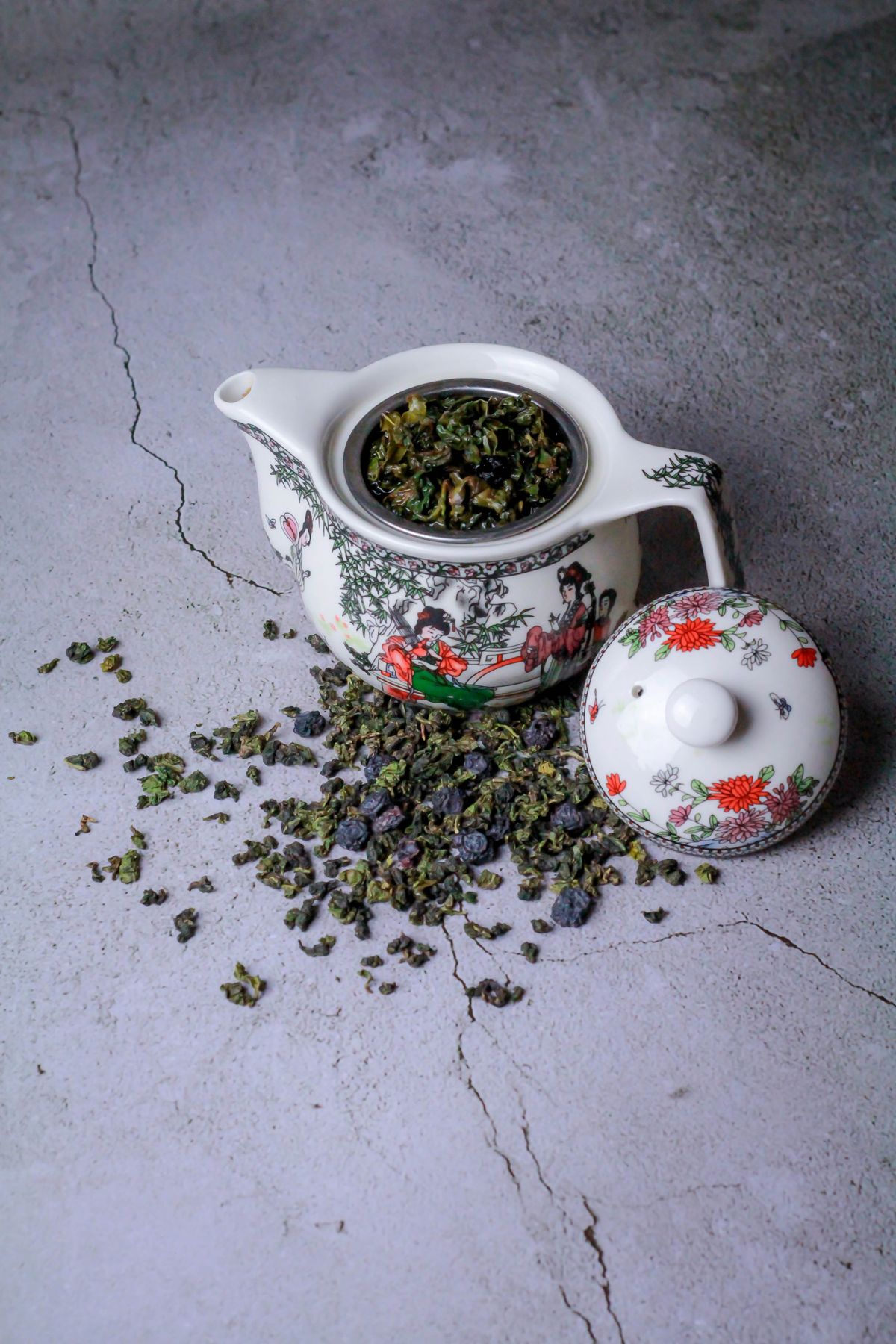
A quiet tea direction with an airy, softly floral character.
CharacterGreen · Aromatic · Fresh
From a single note to a complete fragrance direction.
Explore the library, build your selection and start your next collection.
 Sixteen Miles Out / Unsplash
A quiet tea direction with an airy, softly floral character.
Juicy pear and delicate freesia create a light fruit-and-flower direction.
A smooth sandalwood impression with a creamy, quietly warm finish.
Soft lavender florals meet a clear, dry herbal freshness.
A white-musk direction with a sheer, softly clean finish.
An amber accord for a warm, softly resinous fragrance direction.
A rose impression that can be developed from dewy petals to richer florals.
A creamy coconut impression with a soft tropical sweetness.
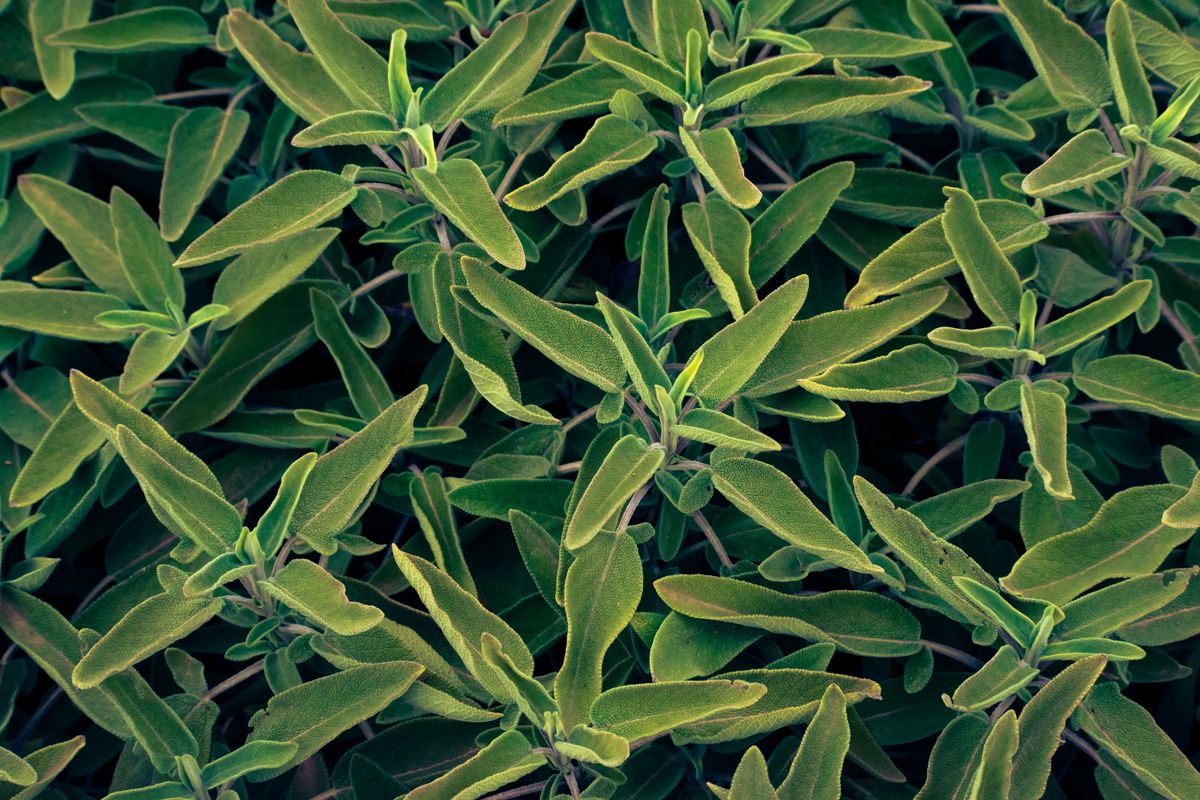
An aromatic clary-sage direction with a gently rounded herbal feel.
A soft green direction with a clean, watery impression.
A distinctly anise-like sweetness for a warm herbal brief.
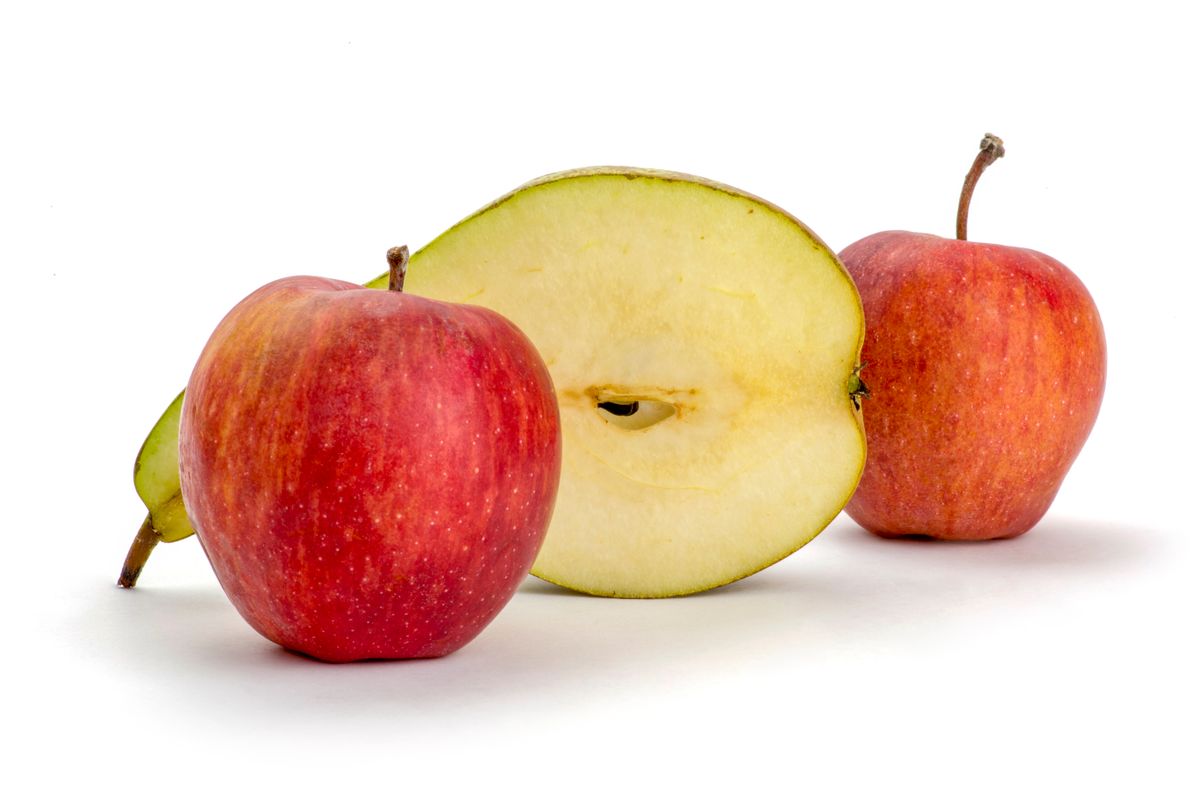
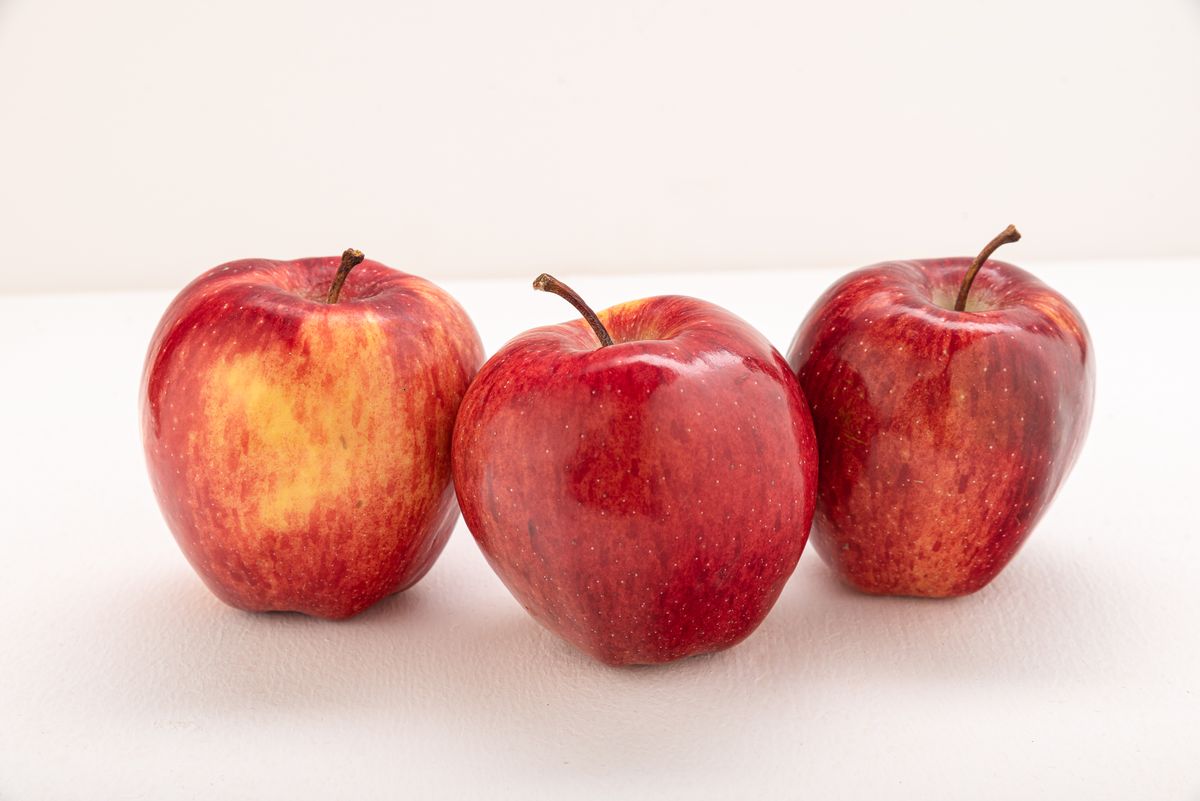
A crisp apple impression for a fresh, juicy fruit accord.
Juicy apple and warm cinnamon suggest a familiar spiced-fruit accord.
A soft apricot direction with a rounded, velvety fruit character.
Watery freshness contrasts with the texture of a woody accord.
Labdanum, nutmeg and ginger open a layered woody direction with incense and amber in the finish.
A gentle avocado-inspired reference for a soft green product brief.
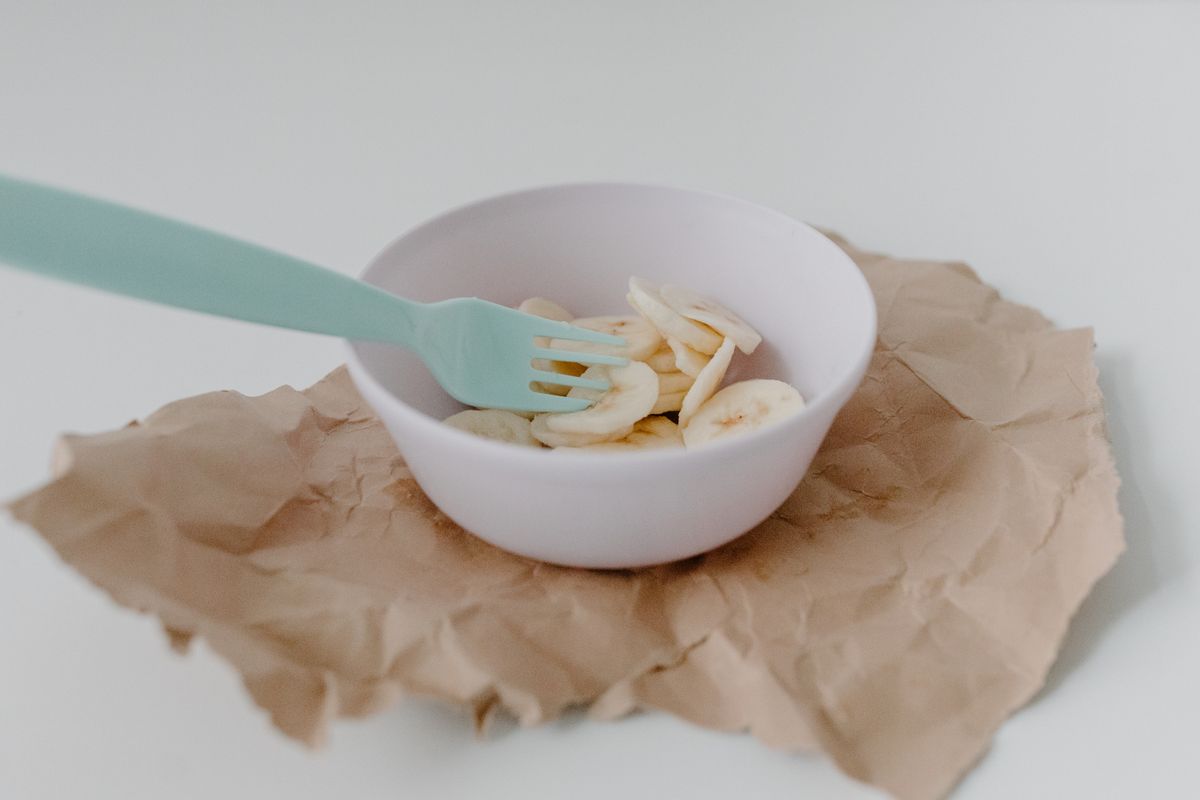
A sweet banana impression with a rounded tropical character.
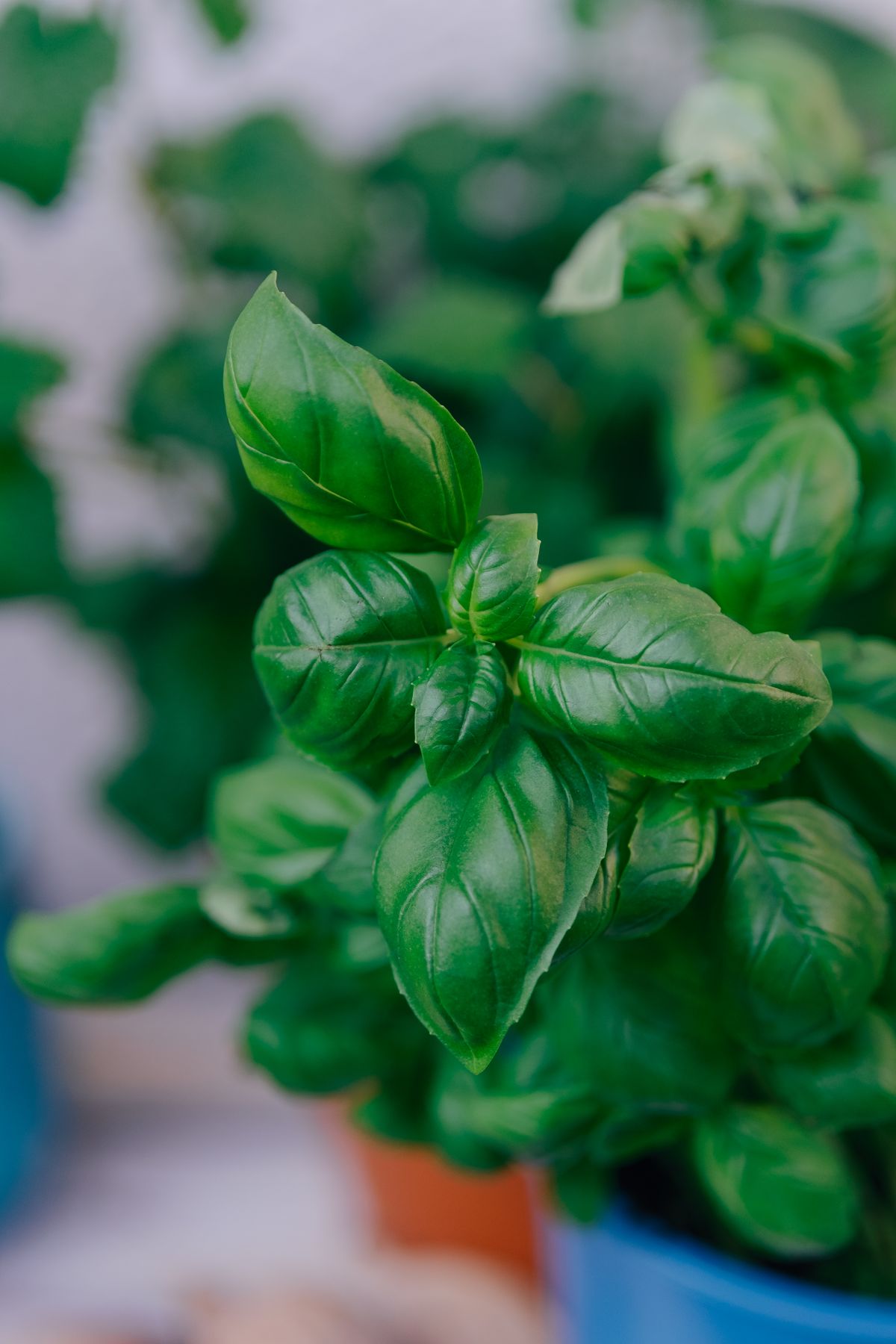
Leafy basil character with a crisp, aromatic edge.
A bellflower-inspired floral name for a soft, airy brief.
A bright bergamot direction with a lightly bitter citrus edge.
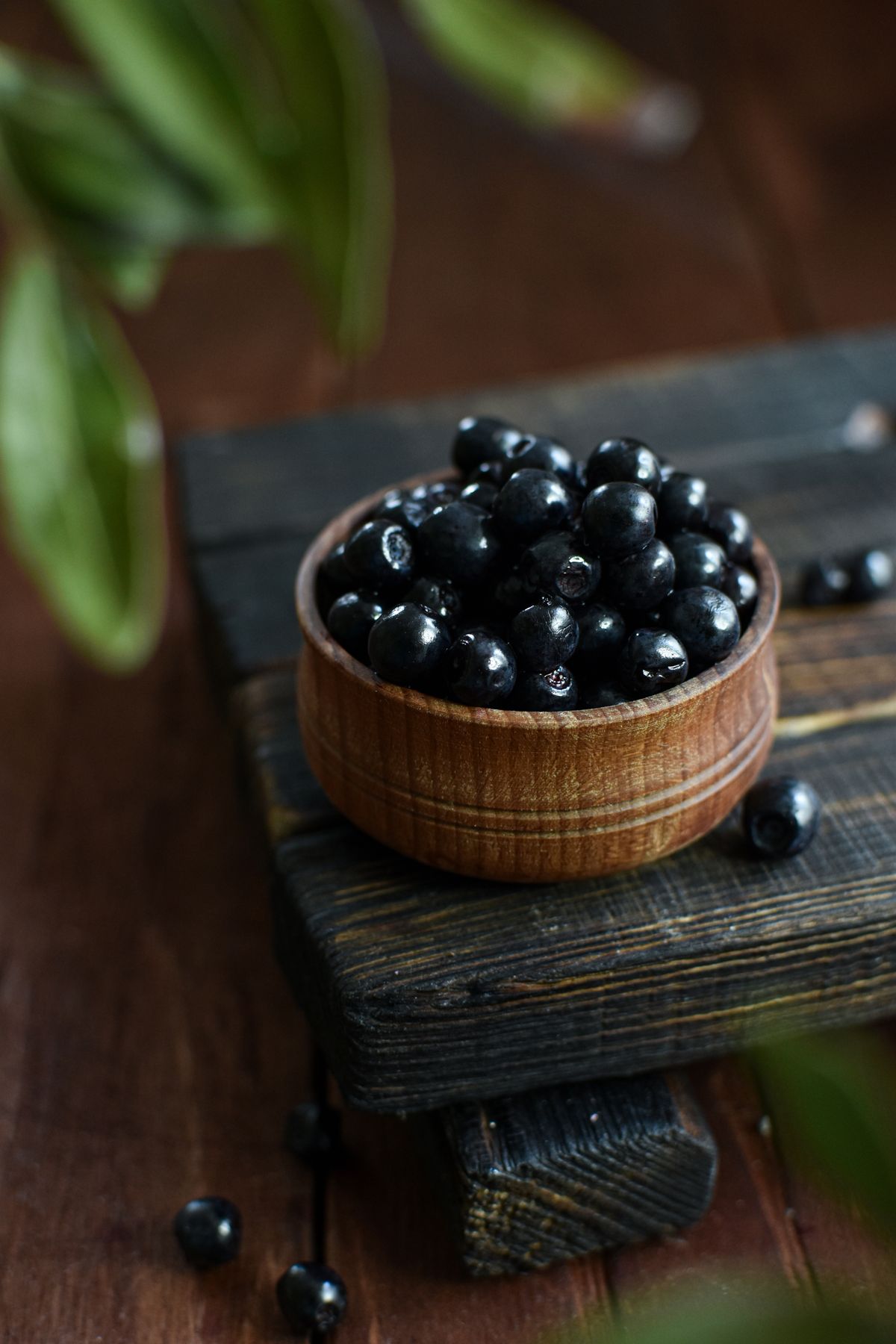
A dark-berry impression balancing juicy sweetness and tartness.
A blackcurrant direction with a tart, green-fruit accent.
A blue-lotus reference for a gentle, watery floral interpretation.
A bluebell direction suggesting a light, green floral mood.
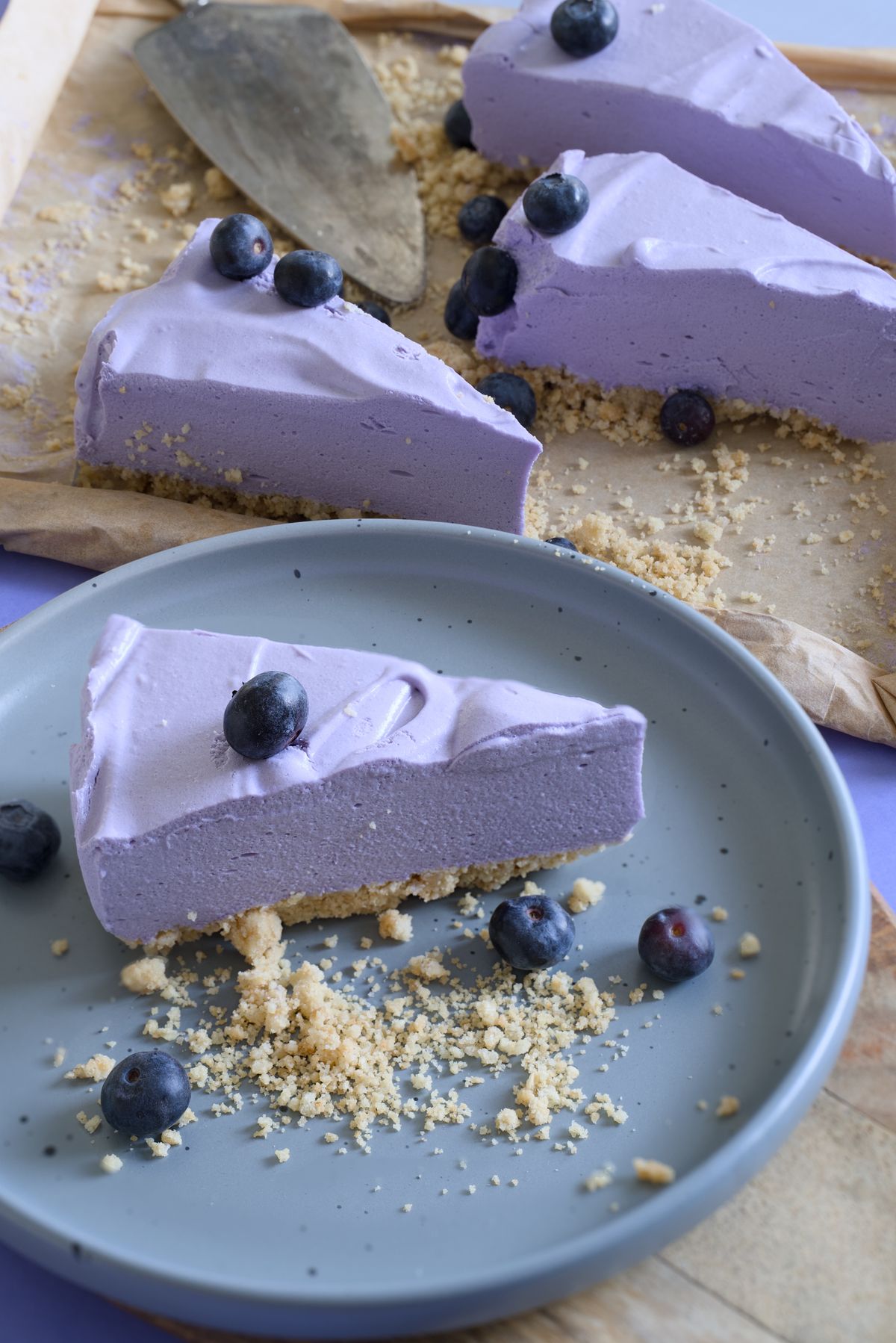
A blueberry-cheesecake concept combining berry fruit and creamy dessert.
Grapefruit and cucumber freshness meets a floral heart, followed by amber and soft woods.
A toasted vanilla direction with a darker gourmand impression.
A bergamot reference named for Calabria; confirm origin separately.
Camellia and lemon suggest a bright floral-citrus conversation.
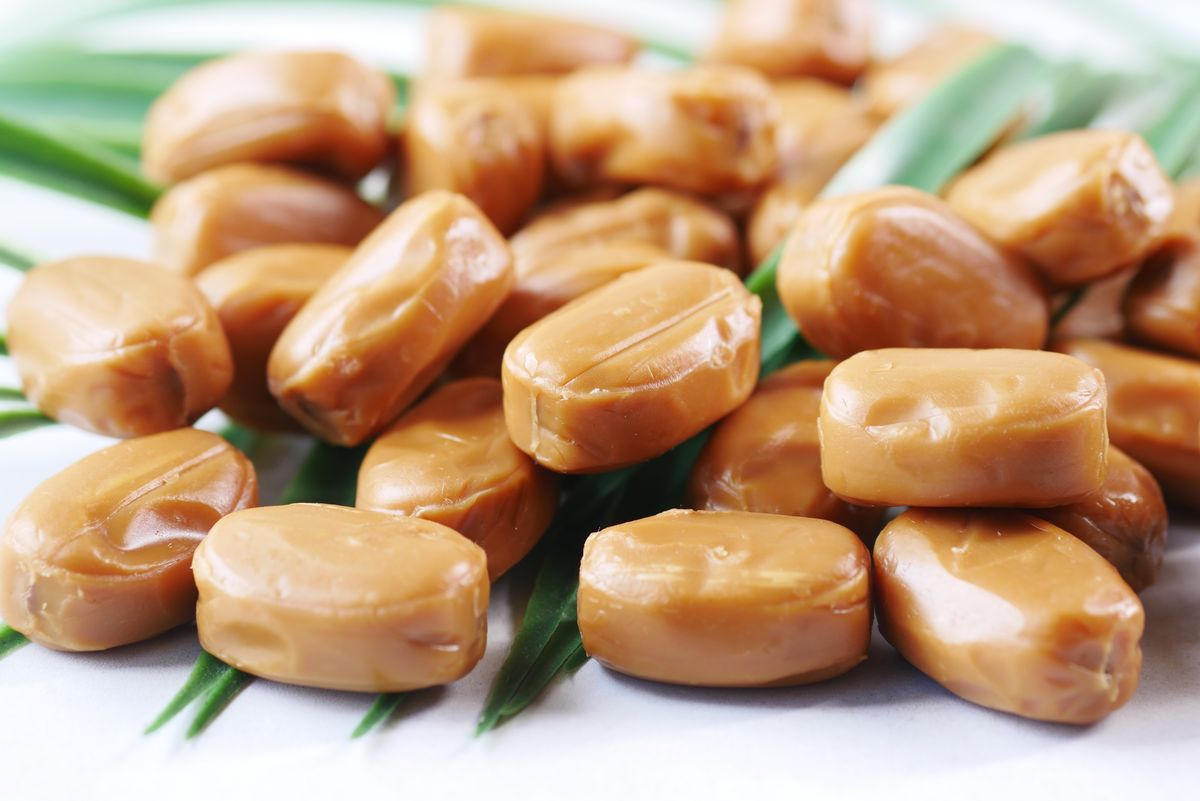
A caramel impression built around the warmth of cooked sugar.
A caramel-latte direction balancing sweet caramel and a milky coffee mood.
A source-listed caviar note for an unusual salty, savory fragrance brief.
A cedar direction with a dry, clean-cut woody character.
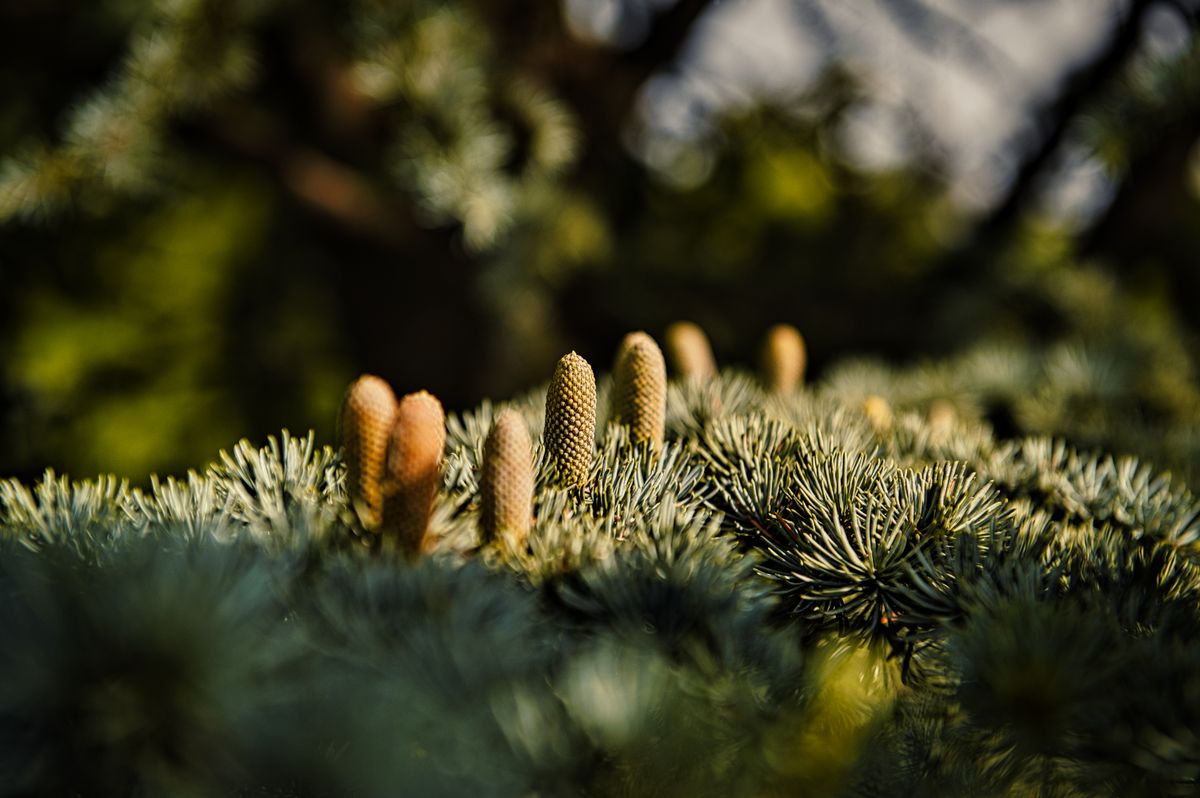
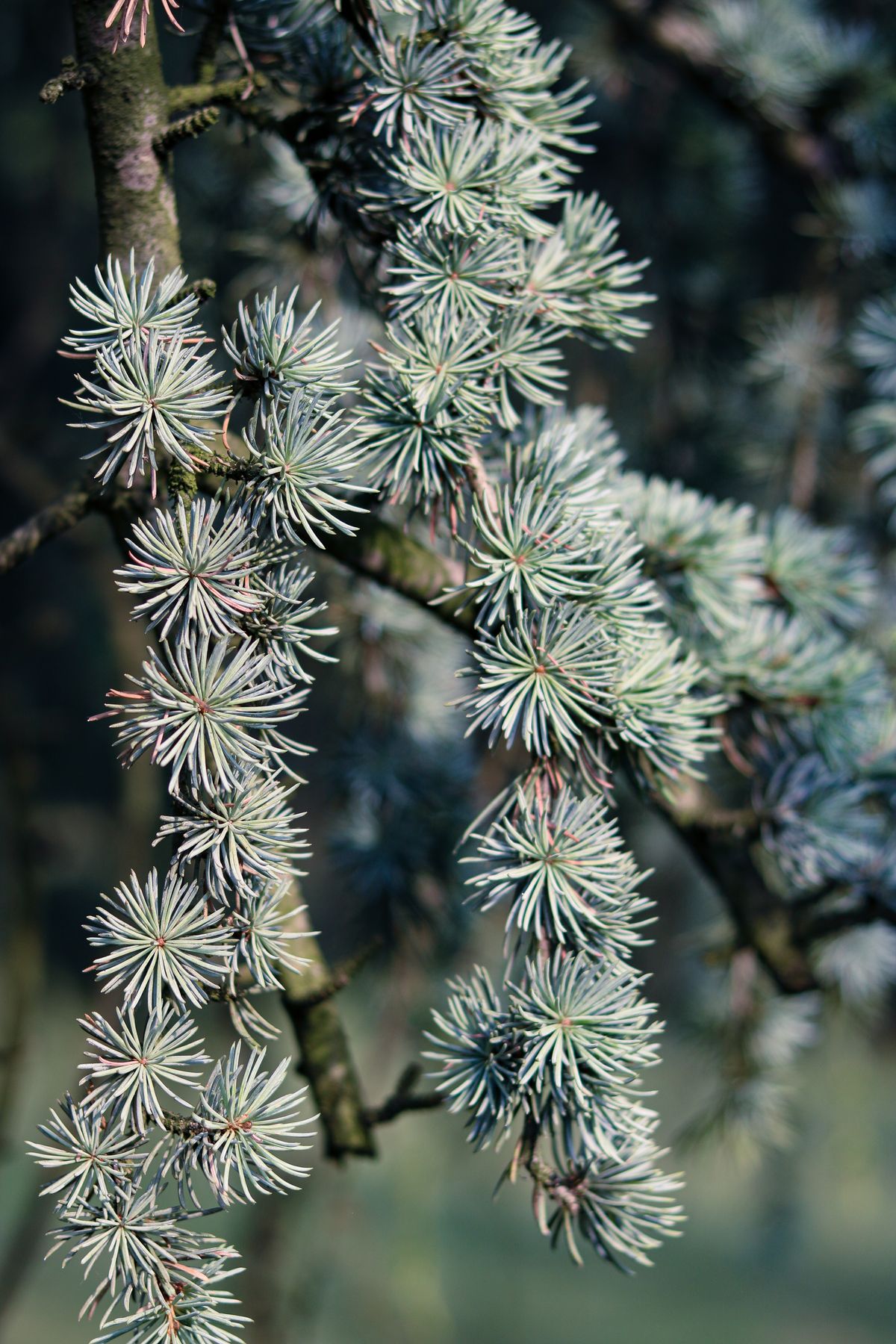
Cedar, pine and vetiver suggest a dry forest-inspired blend.
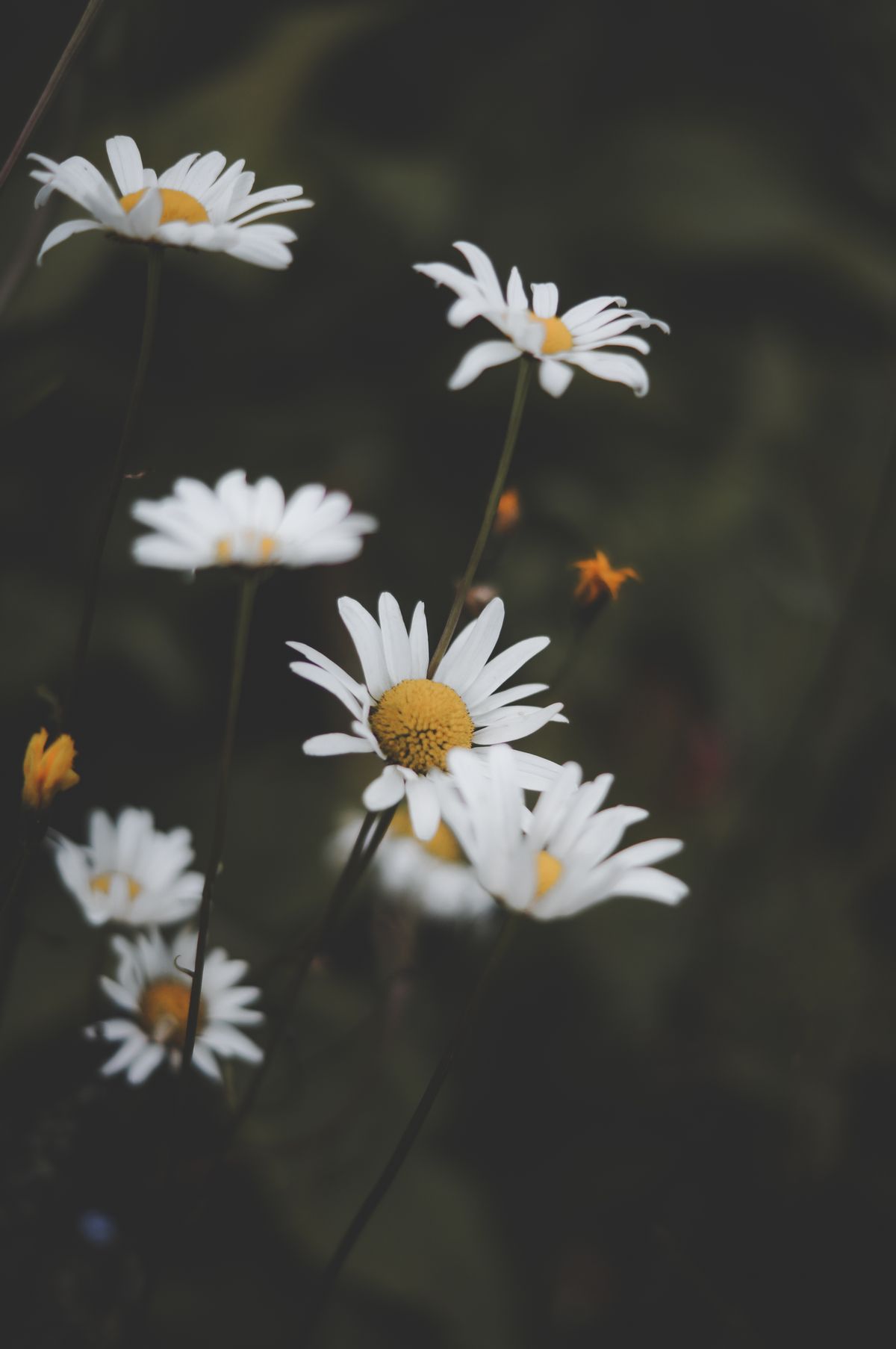
A chamomile direction with a soft, herbal-floral character.
A cherry-fruit direction ranging from fresh and tart to rich and sweet.
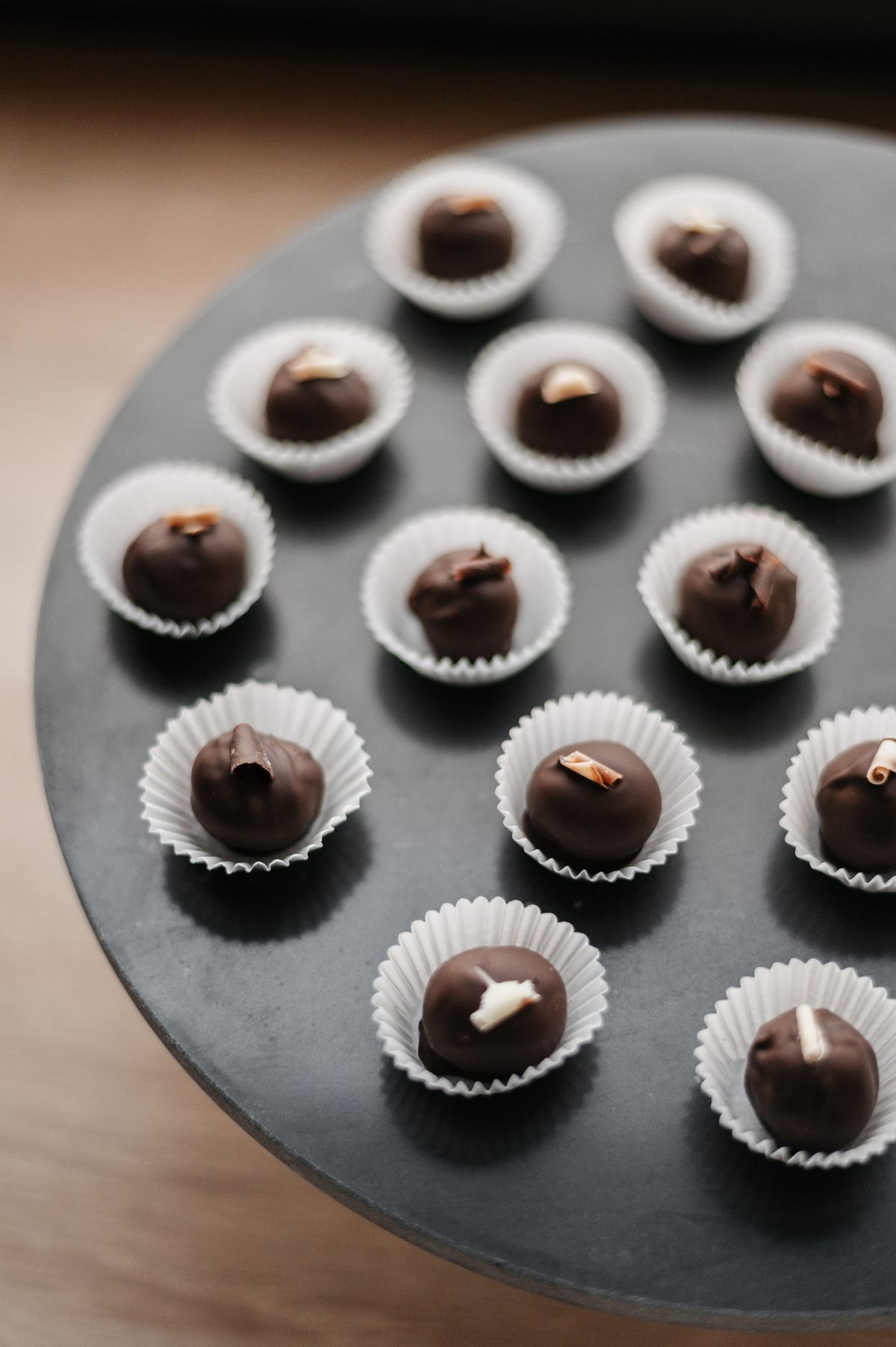
A chocolate accord that can explore dry cocoa or softer sweetness.
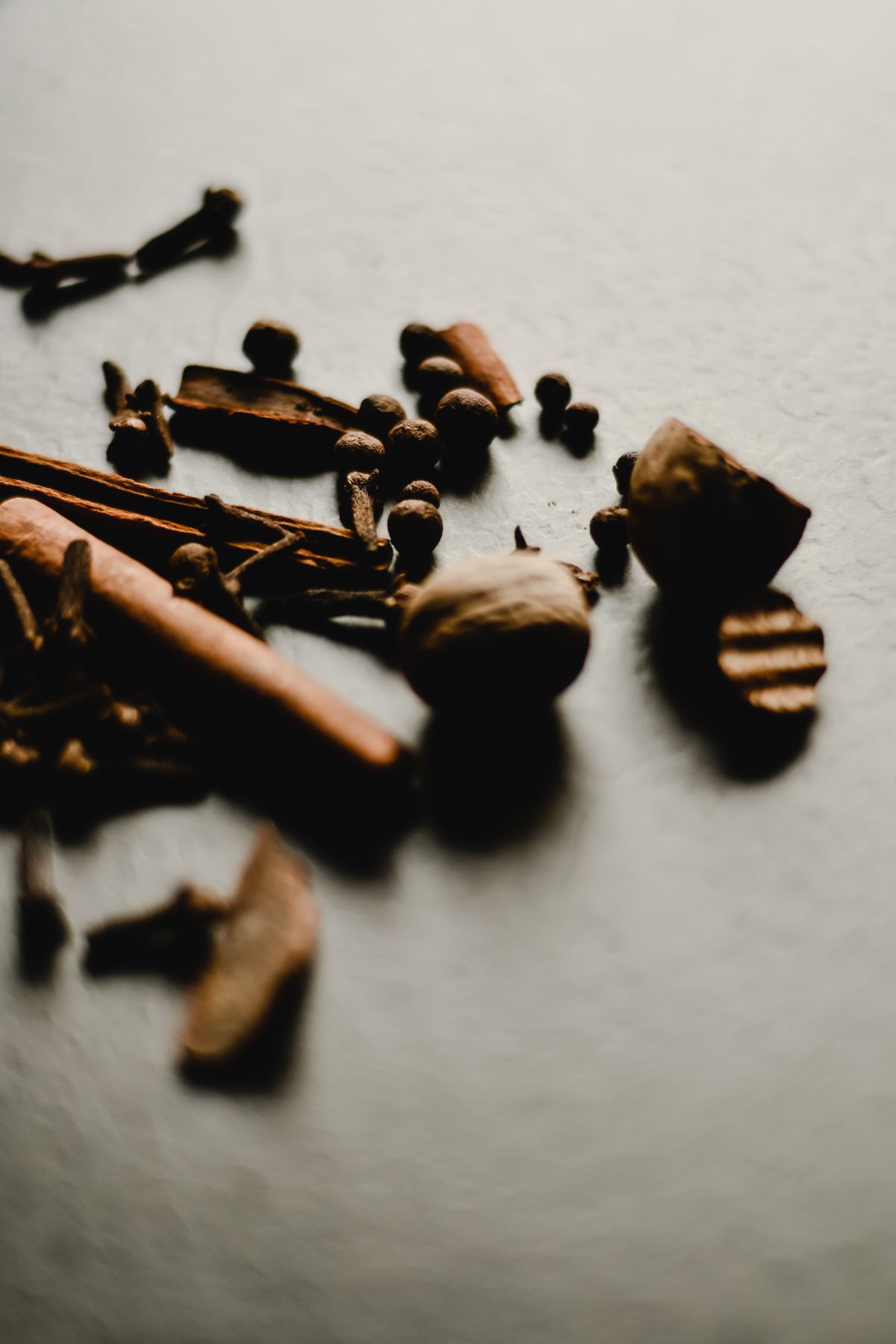
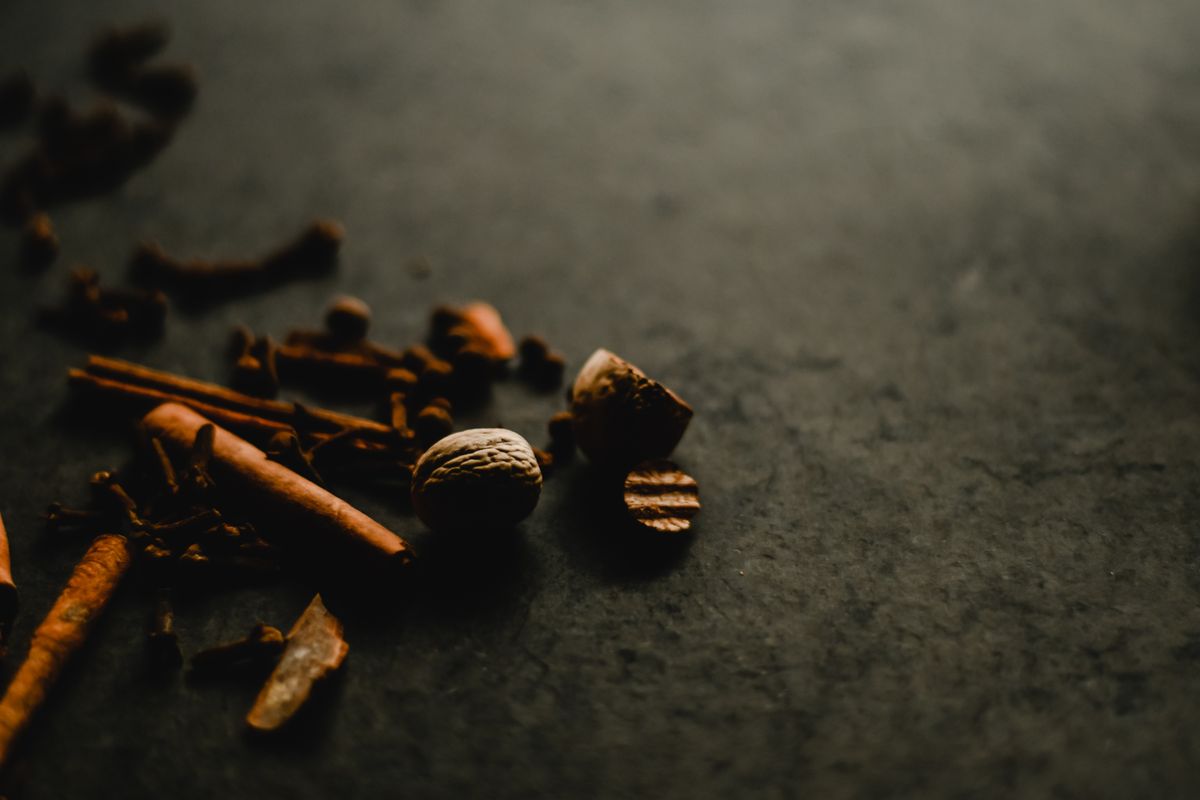
A cinnamon direction with a recognizable, warm spicy character.
The citrus family: peel-like brightness, tartness and fresh-fruit lift.
A style linking a bright citrus opening with a more grounded woody feel.
Bright citrus paired with a sweet, sugar-like gourmand impression.
A civet-style fragrance note; the name does not identify its material origin.
A floral style centered on familiar, clearly recognizable flower impressions.
A woody style focused on the texture of established wood accords.
Creamy coconut meets the tart brightness of lime.
A tropical coconut impression framed by a sea-breeze concept.
A coconut-and-spice concept with creamy warmth and aromatic contrast.
A roasted-coffee direction with a clear, familiar aromatic identity.
A cold-brew coffee reference for a smoother, less dessert-led coffee brief.
A cologne-style freshness reference; it does not specify alcohol strength.
Apple and pear create a light fruit impression supported by a soft musky finish.
An aromatic spice style with a cooler, fresher overall impression.
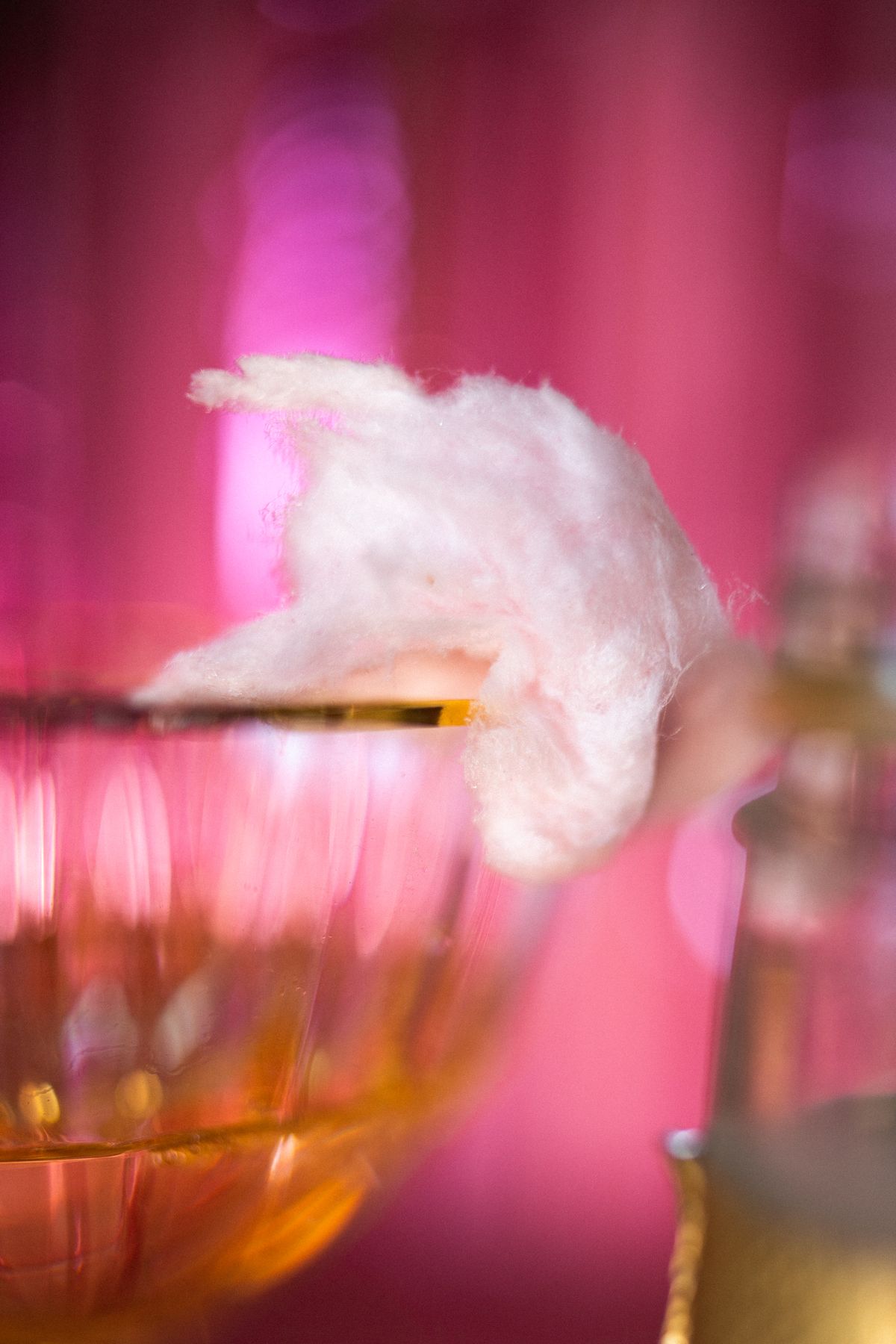
An airy spun-sugar direction with a playful confectionery sweetness.
A creamed-ube name for a mellow, purple-yam-inspired dessert concept.
A watery cucumber character for a cool, transparent brief.
A doughnut-inspired direction with a sweet bakery character.
An earthy direction emphasizing grounded, soil-like olfactive texture.
A green-herbal style with a deliberately earthy foundation.
A light lychee direction with a bright, juicy fruit impression.
A water-lily reference for a light floral concept with aquatic space.
A cool eucalyptus direction with an open, leafy character.
A mixed tropical-fruit reference without one specified fruit identity.
Fig and amber suggest a rounded fruit impression with warm depth.
The floral family, from transparent petals to fuller bouquets.
A source-listed floral-aldehyde profile with only partial note data.
A forest-after-rain concept exploring damp greenery and woodland air.
A forest-mist name for a quieter, airy woodland interpretation.
A frankincense-inspired direction with a dry, resinous incense character.
A fresh freesia direction with a delicate, airy petal impression.
Juniper and lavender bring a fresh, aromatic contrast.
A French-vanilla reference emphasizing rounded, creamy gourmand softness.
A freshness style that can draw on citrus, green or watery impressions.
An aquatic style emphasizing open space and a clean, watery feel.
A lively style combining citrus brightness with fresh fruit character.
A floral style prioritizing lightness, greenery and fresh petal impressions.
A broad fruit accord; choose the balance of tartness, juiciness and sweetness.
The fruity family, spanning juicy, tart, ripe and softly sweet directions.
A layered reference combining fruit, white florals and a sweet impression.
A style balancing recognizable fruit character with a floral heart.
A fruity opening concept supported by a more textured woody finish.
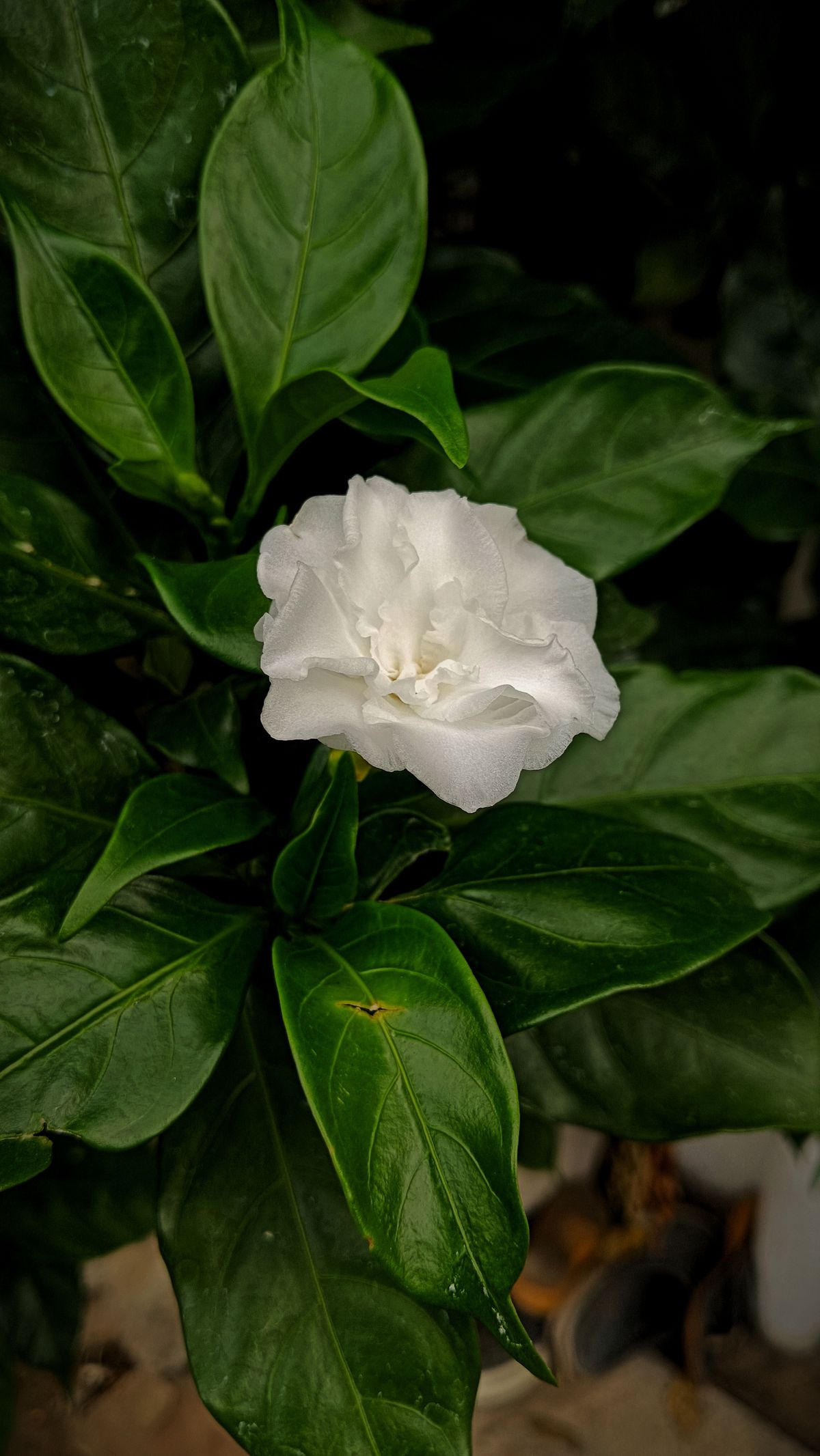
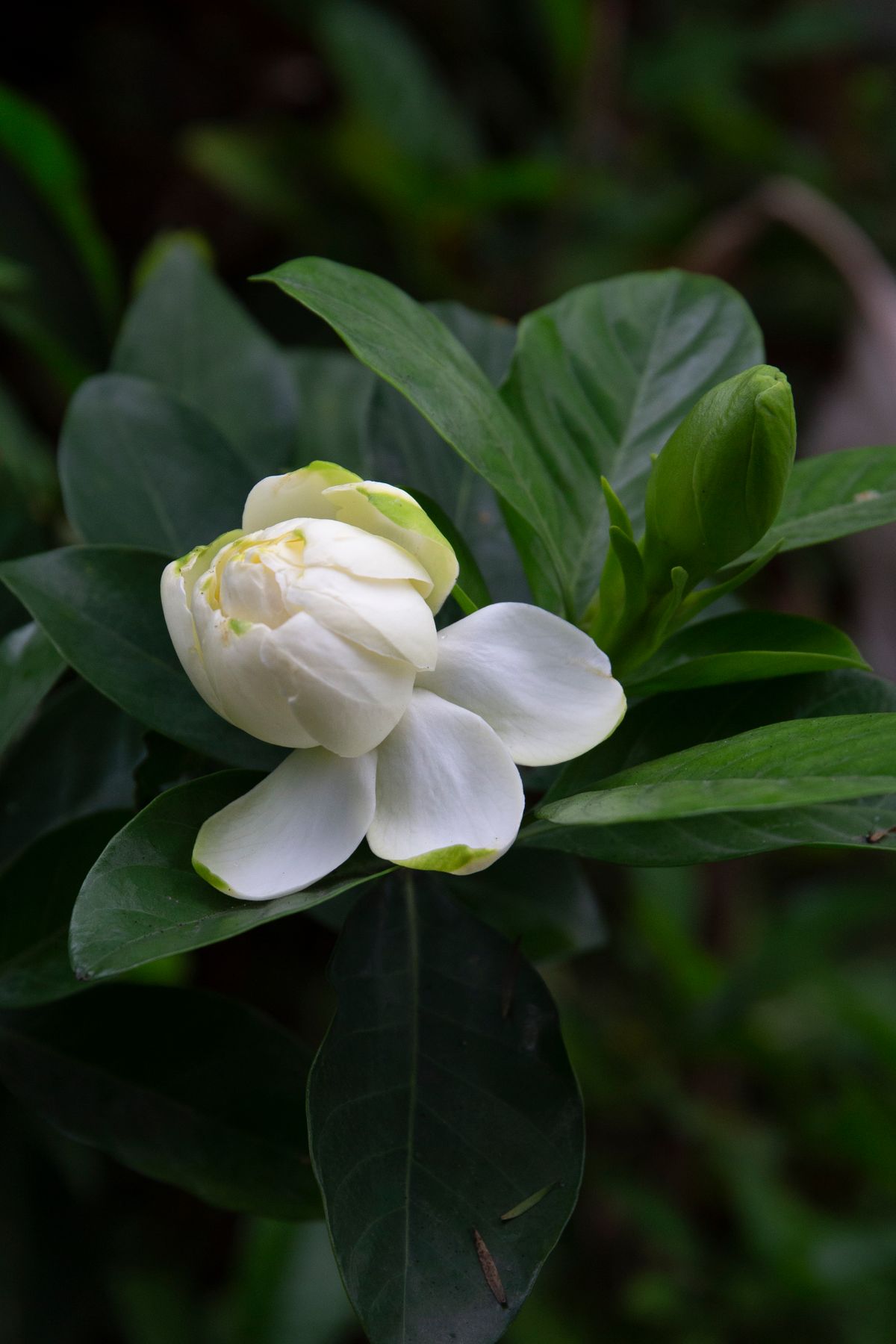
A rounded gardenia impression for a full white-floral brief.
White tea lightens the rounded floral character of gardenia.
A tea-and-flower direction pairing oolong with gardenia.
A gin-inspired accord for a crisp, aromatic drinks-themed brief.
A ginger direction with a bright, fresh spicy bite.
A gingerbread-cookie concept pairing warm spice with baked sweetness.
A goji-and-blood-orange named direction for a bright fruit brief.
A grapefruit direction with a brisk, bittersweet citrus character.
Freshly cut greenery as an olfactive building block.
A greener orange impression for a less rounded citrus opening.
A light tea direction with a fresh, gently leafy impression.
A herbal family reference built around leaves and aromatic plant impressions.
A mountain-sandalwood concept for a restrained, contemplative woody brief.
A honey impression with a rounded, nectar-like sweetness.
A honeysuckle direction with a soft, nectar-like floral sweetness.
An ice-cream direction for a cool-themed, creamy dessert brief.
An incense impression for a dry, softly smoky fragrance accent.
An iris direction for a soft floral impression with powdery texture.
A jasmine direction with a recognizable, rounded white-floral character.
A labdanum reference for a rich, resinous amber-style texture.
Lavender and sage combine soft florals with dry herbs.
Herbal lavender meets a mellow vanilla sweetness.
A leather accord that can be shaped from soft suede to darker depth.
A vivid lemon character with a clear peel-like brightness.
A lemon-blossom direction joining floral softness and citrus lift.
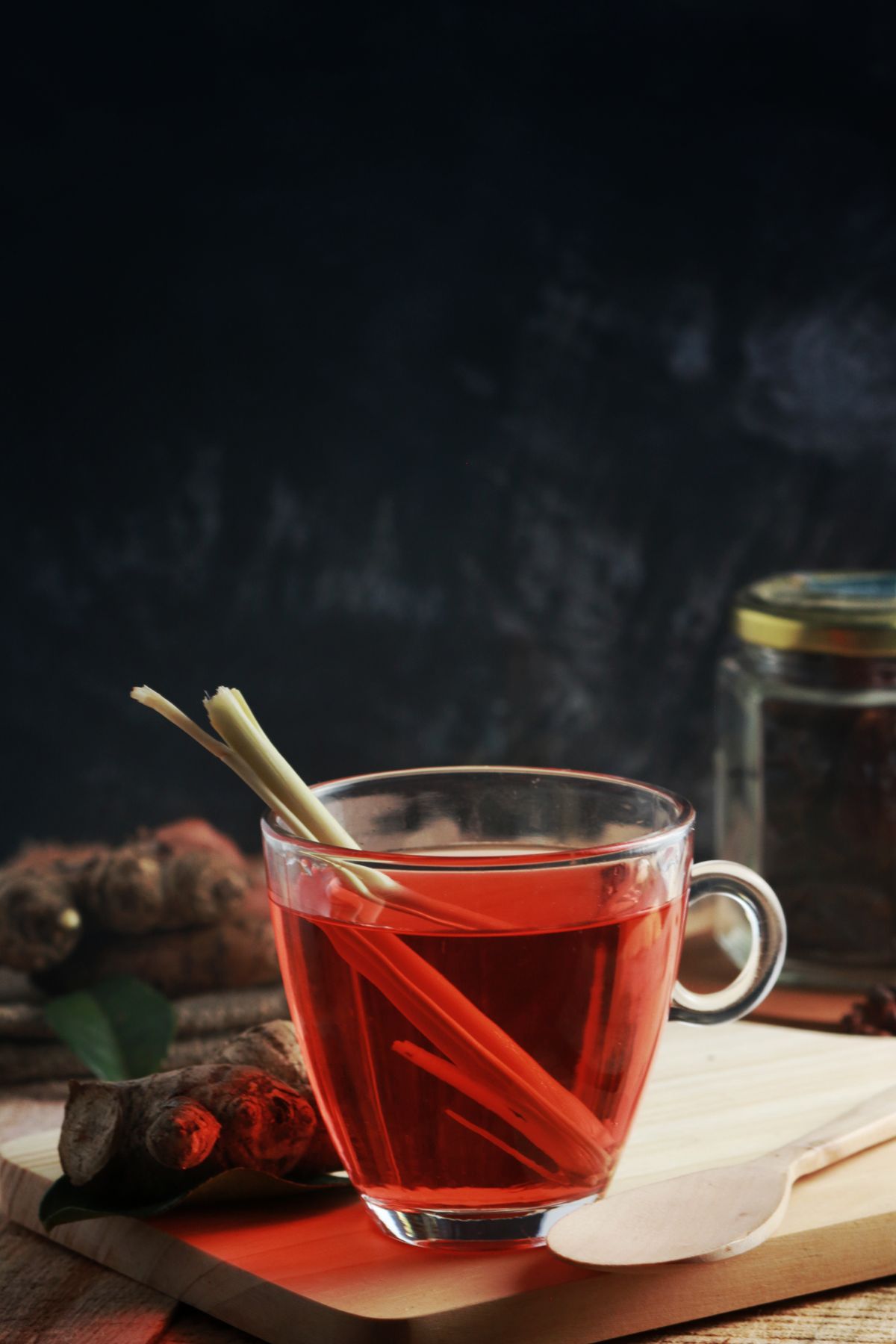
Lemon-like brightness with a distinct grassy edge.
A lilac impression for a delicate, spring-floral composition.
A fresh lily-of-the-valley impression with a delicate green lift.
A tart lime impression for a sharp, fresh citrus accent.
Lime and mandarin brightness with a fresh basil contrast.
An aromatic citrus direction inspired by litsea cubeba.
A supplier’s luxury-lavender name; define its variation against a sample.
A translucent lychee direction with a delicate juicy sweetness.
Saffron and bright fruit lead into rose and jasmine, with amber, oud and vanilla in the base.
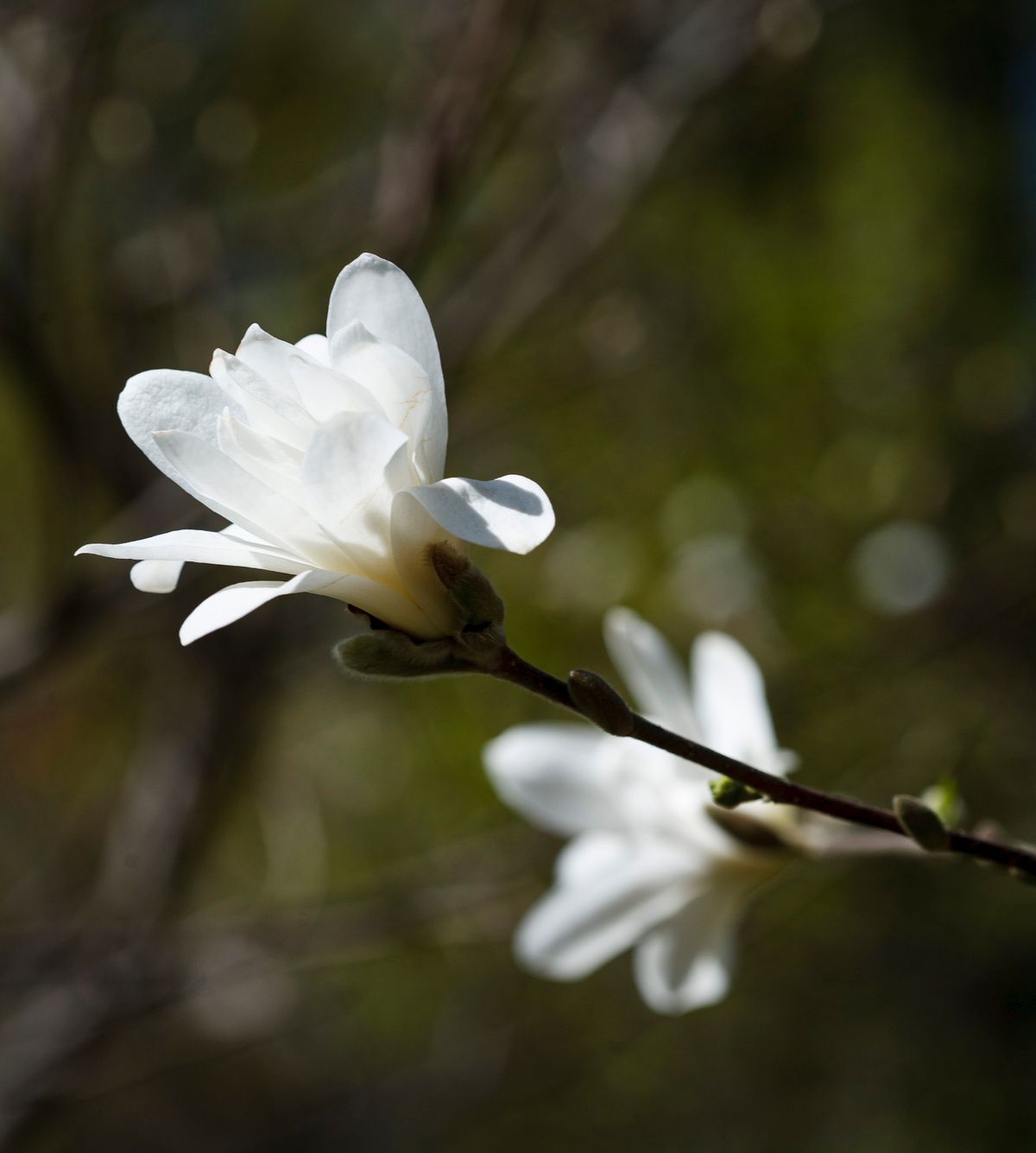
A magnolia direction with a softly rounded floral impression.
A soft mandarin character with a rounded citrus-fruit feel.
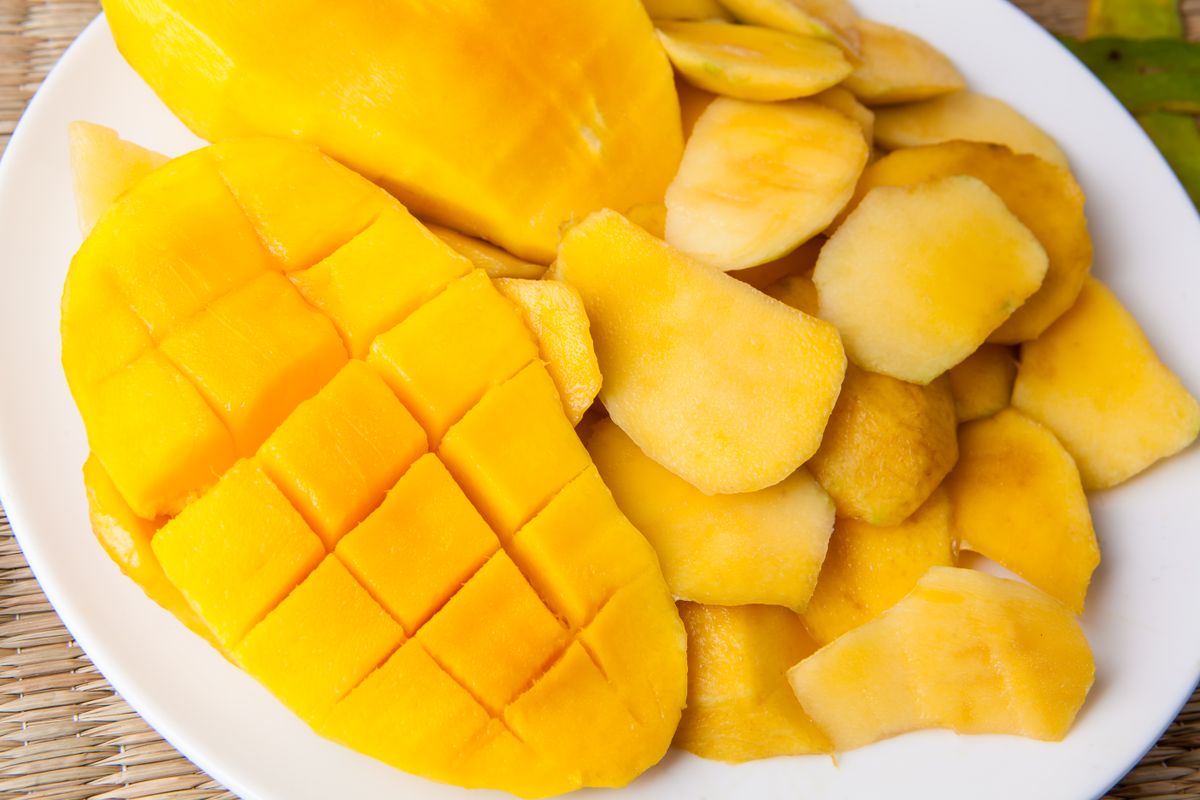
A ripe mango impression with a full tropical-fruit character.
A softly warm herbal character for a rounded green brief.
A marshmallow impression with a soft, pillowy sugar character.
A source-named matcha, iced-latte and coffee concept; clarify the balance.
A source-listed Melaleuca reference; the species is unspecified.
A leafy, lemon-tinted herb direction inspired by melissa.
A milk-inspired direction emphasizing soft, creamy texture.
A cool mint impression that can sharpen a fresh accord.
A mint-led style emphasizing coolness and aromatic freshness.
A morning-mist name for an airy brief; define its notes by sample.
A moss impression for an earthy, shaded-green texture.
A mountain-stream tea concept with a light, open character.
A musk accord for a soft foundation, with character defined through sampling.
A musky style ranging from sheer cleanliness to softer, warmer texture.
A myrrh-inspired direction with a warm, softly bitter resinous impression.
A neroli-inspired direction balancing orange-flower freshness and greenery.
An icy coastal reference name; the exact blend needs sampling.
A nutmeg direction with a dry, gently warm spice impression.
An oakmoss reference for a dry, earthy-green foundation.
An open marine direction inspired by sea air.
A breezy coastal impression for a lighter marine brief.
A familiar orange direction built around juicy citrus brightness.
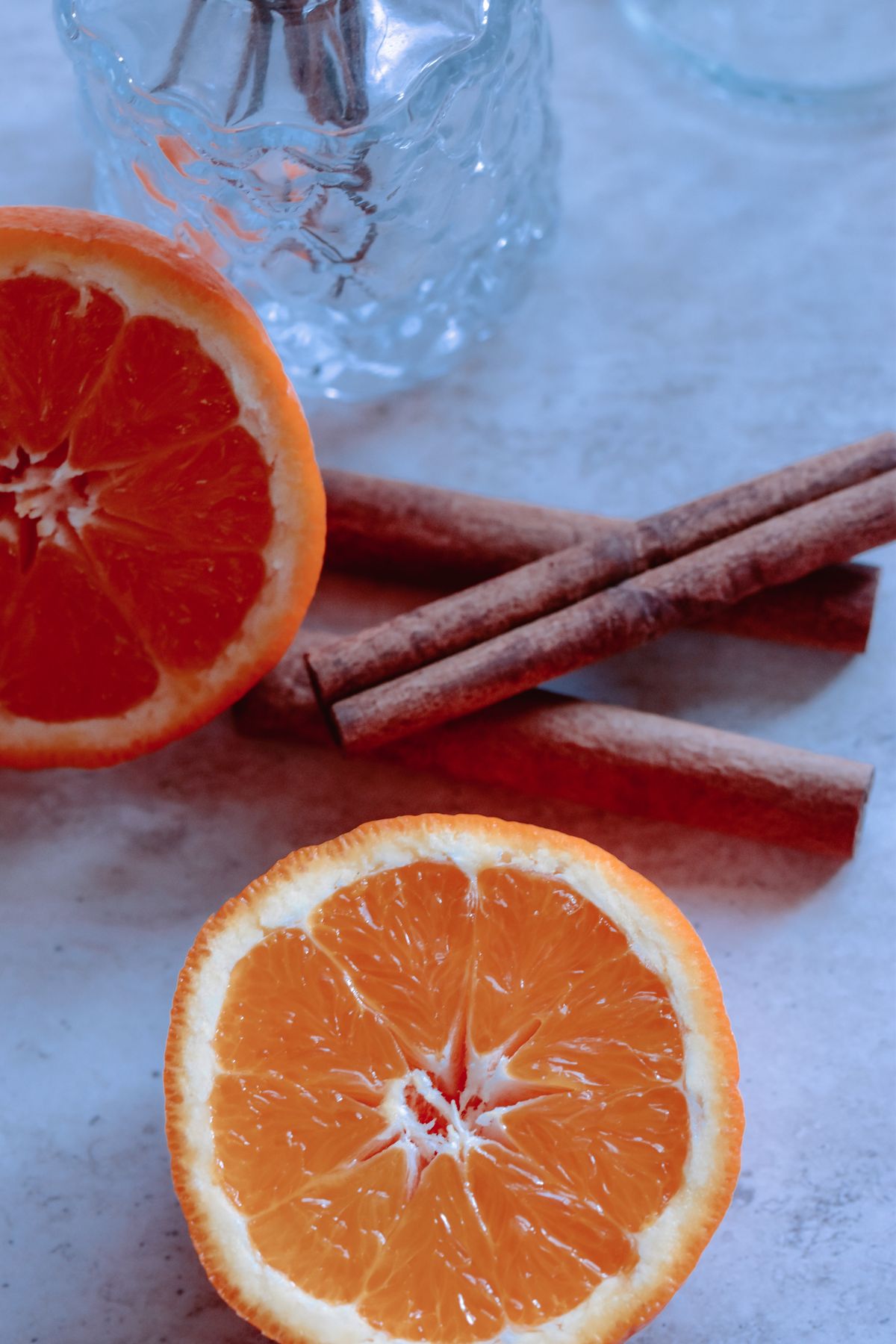
Juicy orange brightness contrasts with warm cinnamon spice.
A softly sweet orange-blossom impression for a luminous floral heart.
A traditional catalog family label; discuss the actual amber-spice balance.
A citrus opening unfolds into white florals and woods over an amber, moss and musk foundation.
An orris-root direction for a dry, powder-textured floral brief.
An osmanthus impression exploring the meeting of flowers and stone fruit.
An oud direction for a deep woody impression; agree its intensity by sample.
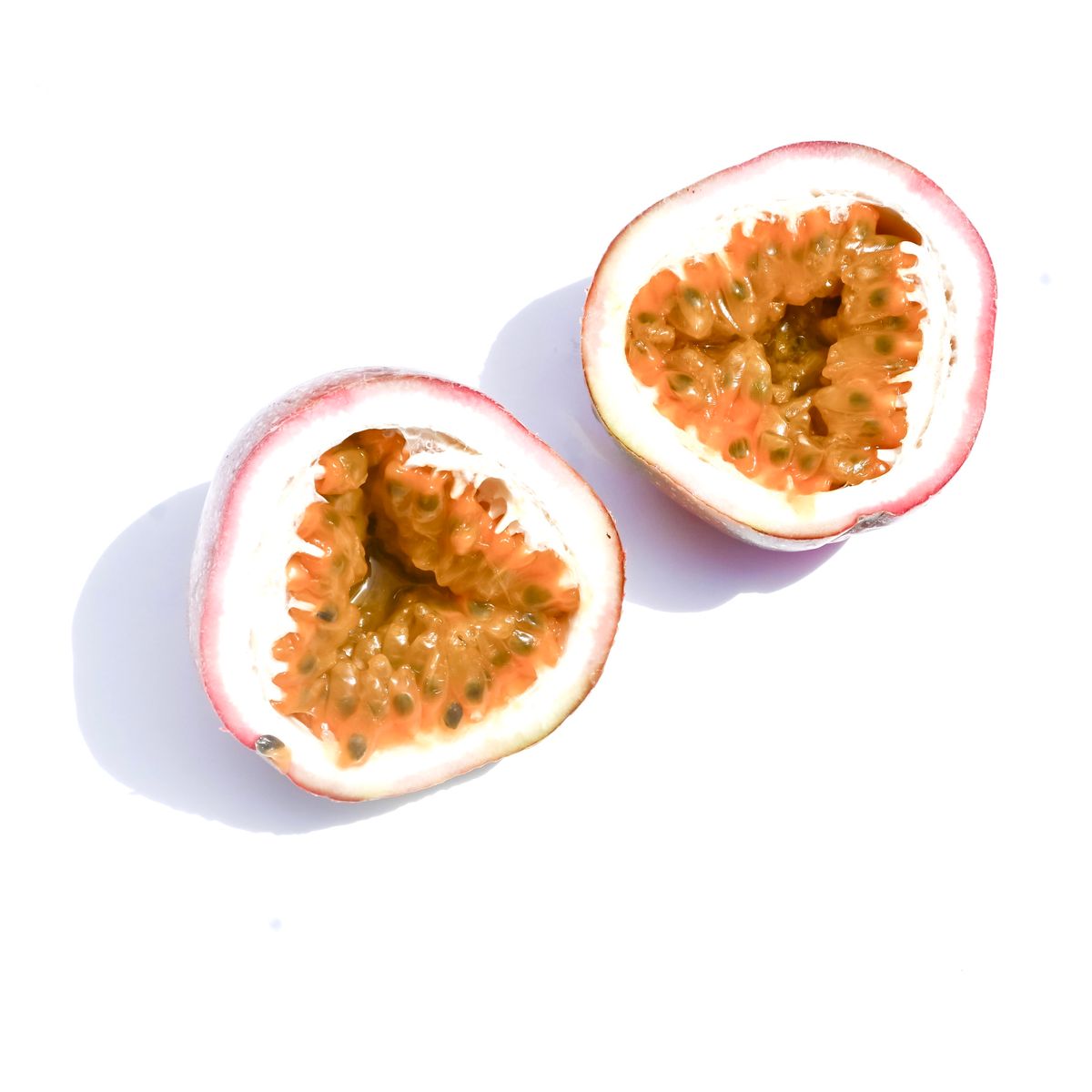
A tangy passion-fruit impression for a lively tropical accord.
A patchouli direction with an earthy, textured woody character.
A peach direction with a soft, rounded stone-fruit impression.
A peach-and-cream concept with rounded fruit and mellow sweetness.
Soft peach and rounded mango suggest a full, juicy fruit blend.
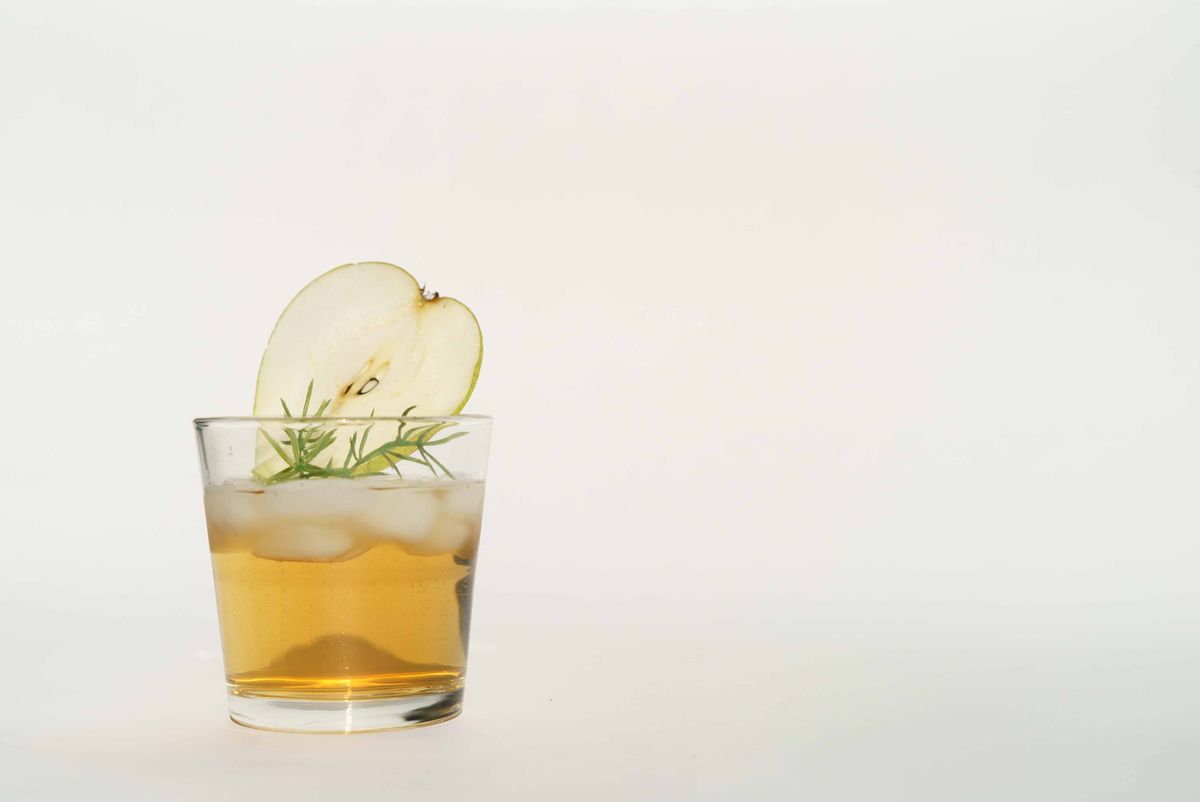
A light pear character with a watery, fresh-fruit feel.
Peony and rose offer a layered floral direction with a petal-soft feel.
A pepper impression for a dry, sharp aromatic accent.
A brisk peppermint direction with an unmistakably cool character.
A leafy citrus impression inspired by bitter-orange foliage.
A pink-lychee named direction for a delicate, sweet fruit brief.
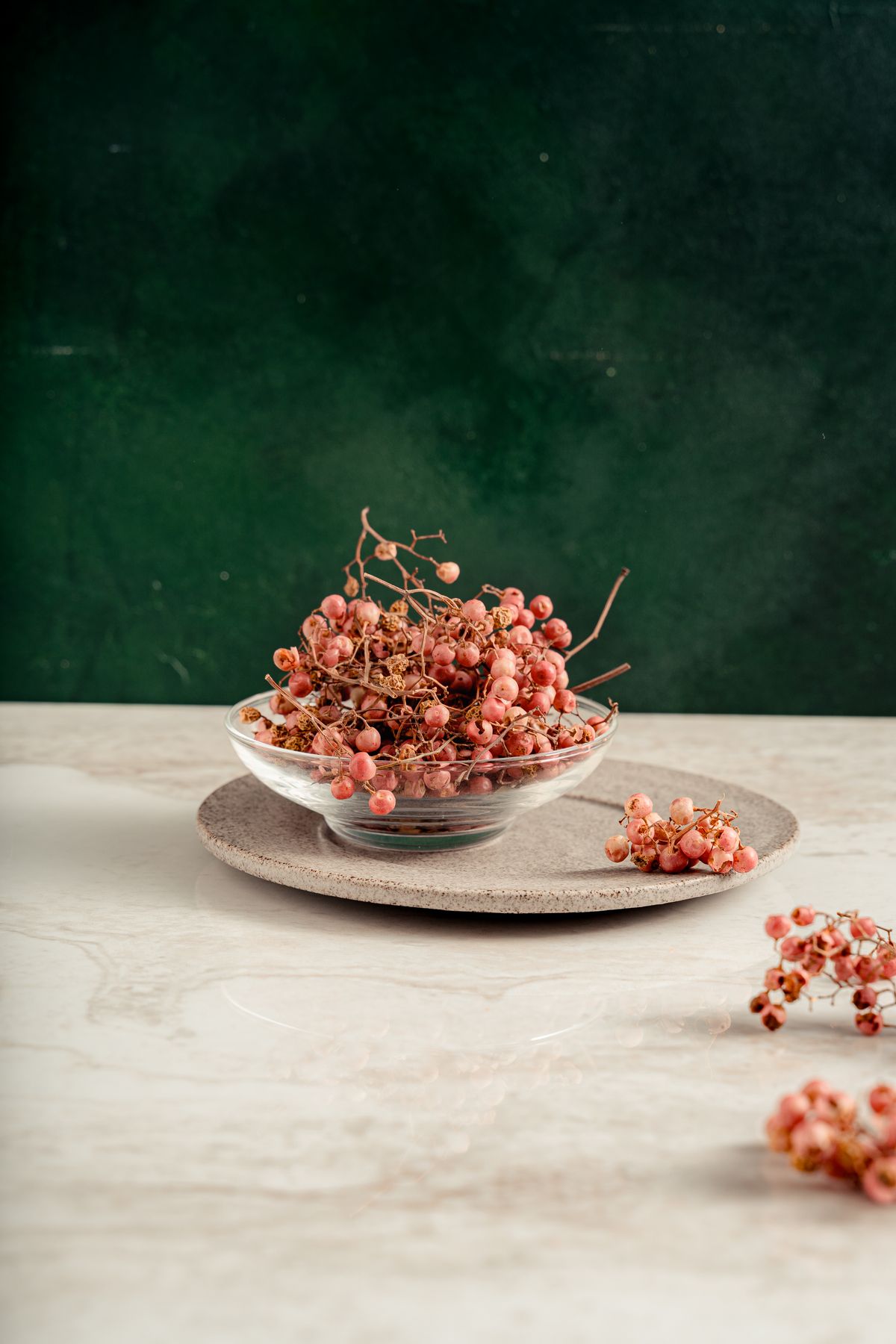
A pink-pepper direction with a bright, lightly spicy character.
A pistachio direction for a gently nutty gourmand impression.
A pistachio-gelato concept with a creamy frozen-dessert character.
A pistachio-and-vanilla direction balancing nutty warmth and soft sweetness.
A pomegranate-led direction for a deeper, rounded fruit brief.
A floral style defined by soft, powder-like olfactive texture.
A praline impression combining sweet confectionery and roasted-nut character.
A pumpkin-spice concept for a warm, seasonal gourmand brief.
Pumpkin, vanilla and cinnamon suggest a layered autumn-dessert direction.
A raspberry impression bringing tart berry brightness to a blend.
A red-currant direction with a crisp, lightly acidic fruit character.
A clear rosemary character with dry, aromatic greenery.
A rum-inspired direction for a warm, rounded drinks accord.
A saffron reference for a dry, warm and textured spice accent.
A marine family reference for coastal air, watery space and mineral moods.
An orange reference named for Sicily, suited to a sunlit citrus brief.
A soft-spice accord designed around a gentler aromatic impression.
A rounded spearmint direction with a softer sweet edge.
The spicy family, from bright aromatic accents to warmer depth.
A source’s general spice note; request the specific spice balance.
A strawberry direction with a recognizable red-fruit sweetness.
A strawberry-cake direction bringing red fruit into a soft bakery accord.
Fresh strawberry character softened by a rounded cream impression.
A strawberry-shortcake concept combining fruit, cream and a baked mood.
Strawberry, raspberry and mandarin form the disclosed opening of this fresh fruit direction.
A sweetness descriptor; specify whether the direction is fruity or gourmand.
A sweet-orange impression emphasizing rounded, juicy citrus.
A sweet-tobacco concept balancing dry leaf character and warm sweetness.
A frangipani-inspired direction with a rounded tropical-floral feel.
A lavender direction named for Tasmania; origin is not independently verified.
A sharp herbal reference built around the tea-tree impression.
Dry thyme-like greenery for an assertive herbal accord.
A tuberose-named concept with an implied evening mood; sample to clarify.
A toasted reference for a roasted, gently smoky fragrance accent.
A tobacco impression exploring the dry, warm character of cured leaf.
A tuberose direction for a full, creamy white-floral impression.
A landscape-inspired supplier name; discuss the intended scent mood.
A warm vanilla direction with a mellow, gently sweet character.
Mellow vanilla and caramel create a warm, rounded sugar-gourmand direction.
A vanilla-bean interpretation with more focus on the vanilla character itself.
A vanilla-candy direction for a lighter confectionery-led sweetness.
A gentle vanilla direction with an enveloping, softly sweet character.
A vanilla-and-nut direction with a rounded, warm dessert impression.
A vanilla-orchid reference for a soft floral-gourmand conversation.
A softly rounded rose direction with a petal-like floral texture.
A vetiver direction for a dry, root-like woody impression.
A violet impression with a delicate, softly powdery floral texture.
A vodka-style drinks reference whose scent role is specific to its blend.
A warm-spice style for a rounded, enveloping fragrance impression.
A gourmand style emphasizing warmth, dessert associations and sweetness.
A floral style with a warmer, more rounded surrounding accord.
A warm-wood style emphasizing softness and depth over sharp dryness.
A watery watermelon direction for a bright summer-fruit concept.
An open white-flower accord; specify the floral balance in your brief.
Airy jasmine meets the cool contrast of mint.
White peach adds a soft fruit impression to an oolong-tea brief.
White tea and fig suggest a gentle balance of leaf and fruit.
Delicate tea character meets the dry freshness of thyme.
A source name combining tea, “Verbana” and wine; clarify the blend.
A wild-rose direction with a lighter, garden-inspired floral mood.
Cinnamon and nutmeg add an aromatic spice contrast to soft vanilla warmth.
A broad wood accord; specify whether the texture should feel dry or creamy.
A grounded style joining dry woods with an earthy olfactive texture.
Green tea freshness set against a more grounded woody direction.
The woody family: a vocabulary of dry, smooth, creamy and textured impressions.
A style pairing woody structure with a clear aromatic-spice accent.
Tea and soft woods suggest a restrained, contemplative direction.
A yellow-peach impression with a fuller, ripe-fruit character.
An ylang-ylang direction with a rich, rounded tropical-floral character.
A yuzu-inspired citrus direction with a lively, peel-like edge.
A concise three-stage direction moving from bergamot through rose to warm amber.
Opening: Lemon & White Tea; heart: Jasmine & Lily of the Valley; base: Musk & Wood.
Opening: Lime & Caviar; heart: Spicy Spices & Vodka; base: Amber & Leather.
Opening: Saffron & Bergamot; heart: Rose & Jasmine; base: Amber & Oud.
Opening: Grapefruit & Cucumber; heart: Tuberose & Rose; base: Wood & Amber.
Opening: Bergamot & Citrus; heart: Jasmine & Orange Blossom; base: Amber & Oakmoss.
Opening: Apple & Fruit; heart: Apple & Pear; base: Musk.
Opening: Labdanum & Nutmeg; heart: Sandalwood & Patchouli; base: Incense & Cedar.
Opening: Citrus & Green; heart: Lemongrass & White Flower; base: Musk & Cedar.
Opening: Red Currant & Apricot; heart: Jasmine & Rose; base: Amber & Wood.
Opening: Apple & Lemon; heart: Orange Blossom & Jasmine; base: Vanilla & Vetiver.
Opening: Bergamot; heart: Rose; base: Amber.
Opening not disclosed; heart: Iris & Jasmine; base: Civet & Amber.
Opening: Strawberry & Raspberry; heart not disclosed; base not disclosed.
Opening: Jasmine & Gardenia; heart: Tuberose & Honeysuckle; base not disclosed.
No entries match these filters. Try another note or clear the filters.
Explore scent directions for your brief. Names and source note records are reference material, rather than a stock list or confirmed OLFAY formulas. Availability, final notes and product compatibility are agreed through sampling. Third-party names imply no brand affiliation. Photos illustrate ingredients or fragrance moods; blend imagery is representative.
Share your preferred notes, product format and brand brief.
Let’s find the right fragrance direction for your collection.
Select the directions you would like to explore and send a fragrance inquiry with your product format, estimated quantity and destination. OLFAY will confirm availability, sample arrangements and any applicable costs.
This library is a reference index for fragrance development. A listed name does not confirm stock, a fixed formula or suitability for every product. Share your selection so the development team can discuss the available sampling options.
A note pyramid is shown only when the collected source disclosed its stages. Missing stages remain undisclosed. A single note such as white tea or sandalwood does not have one universal pyramid; its role varies between blends.
A scent direction can be explored across a collection, but fragrance balance, dosage and performance need to be evaluated in each intended product base before production.
Tell us what you would change: a fresher opening, softer florals, less sweetness or a warmer woody finish. Include a reference sample if you have one and the intended product format.
Share preferred notes, notes to avoid, target customer, product format, estimated order quantity, destination market and timeline. A short description of the feeling you want can also help.
Want to understand fragrance families and notes? Read the Fragrance Guide →