For a brand, choosing wax is a product specification decision. Start with what the candle must do, then compare suitable grades rather than ranking materials by marketing reputation.
Start with the Candle Format
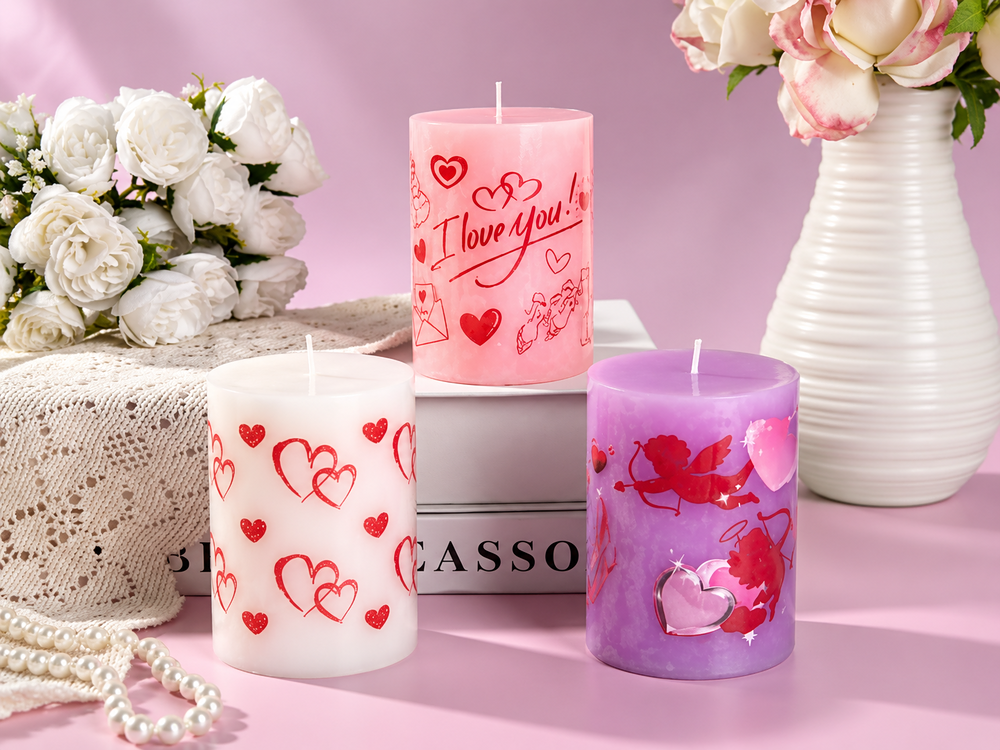
A container candle remains inside its vessel. A pillar or molded candle must retain its own shape. Wax melts are designed for a warmer rather than a wick. These different formats can need different wax properties.
Do not assume that a wax sold for container candles is suitable for a molded product. Ask the manufacturer for the intended applications of the exact grade. “Soy wax” describes a family; it does not identify the supplier’s full formulation or processing recommendations.
Comparing the Main Wax Families
| Wax family | What to establish | What still needs testing |
|---|---|---|
| Soy-based | Exact grade and whether it is a blend | Appearance, fragrance delivery and wick system |
| Paraffin-based | Grade and intended format | Scent, color, burning behavior and package |
| Beeswax-based | Natural odor, color and grade | Fragrance balance and wick compatibility |
| Coconut-containing blend | Composition description and supplier guidance | Performance in the selected vessel and formulation |
No row is an automatic quality ranking. A well-developed blend can address a particular brief more effectively than a material selected solely for a familiar label.
Pure Wax and Blends Need Accurate Language
A blend may combine materials to achieve desired appearance, handling or performance. Obtain a statement precise enough to support your marketing copy. “Soy blend” and “100% soy wax” are different claims.
Keep the distinction between the wax portion and the complete scented candle clear. The finished candle also includes fragrance and other components. Product descriptions should not imply that a wax claim describes every ingredient in the entire product.
Appearance Is Part of the Brief
Decide whether the brand accepts natural-looking variation or requires a highly uniform finish. Assess the surface, color, adhesion to the vessel and changes after storage or use. Natural-wax positioning does not excuse unspecified defects; equally, a visual variation should not automatically be called a safety failure.
Keep an approved appearance sample and photographs showing acceptable variation. A written specification is more useful than asking the factory to make every jar look premium.
Evaluate Fragrance and Burning Together
Wax, wick, fragrance and vessel form a system. A scent that works in one wax grade may need a different wick or processing approach in another. Changing wax after approval can therefore require renewed testing.
Compare both the unlit fragrance and the room impression during burning. Follow the supplier’s processing guidance for the exact grade, and use appropriate whole-life burn evaluation. The most fragrant unlit sample is not necessarily the best finished product.
Avoid broad claims that one wax family is always safe and another always unsafe. Finished-product design, relevant standards and correct use matter. The National Candle Association provides general information about common wax materials; it does not remove the need to assess your candle.
A Practical Selection Sequence
- Define the format, size, vessel and target price position.
- Shortlist grades explicitly intended for that format.
- Request the material description and processing guidance.
- Compare fragrance, appearance and burning with controlled sample configurations.
- Evaluate packaging and relevant storage conditions.
- Approve the exact wax grade and formulation revision, not just the family name.
When comparing quotations, check whether each uses the same fill, fragrance, vessel and packaging. A lower wax-related price may reflect a different product rather than a directly comparable offer.
What Goes into the Final Specification?
Record the grade or agreed material identity, supplier, formula revision, fragrance code, wick specification, vessel, fill requirement and approval sample. Include appearance criteria and the relevant test records.
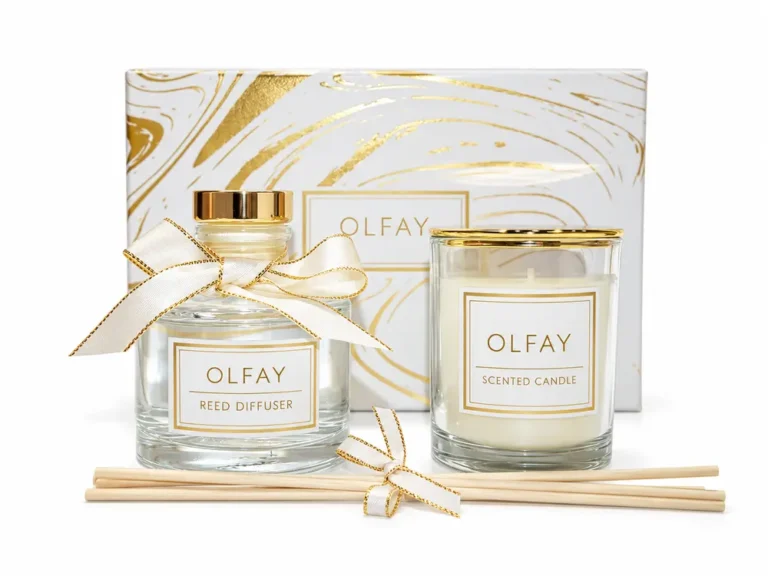
Our fragrance creation guide covers the scent-development side. For existing options, explore OLFAY products before requesting a fully custom configuration.
Frequently Asked Questions
Is one wax type best for every candle?
No. Format, grade and the complete product system determine suitability.
Can container wax be used for wax melts?
Only if the exact grade is suitable and the finished melt has been evaluated. Do not assume universal interchangeability.
Are wax blends lower quality?
Not automatically. A blend should be judged against the intended specification and validated performance.
Should I change wax to improve fragrance strength?
Diagnose the whole system first. Fragrance, wick, processing and evaluation conditions can also affect the result.
Send OLFAY your candle format and finish requirements to discuss suitable sample configurations.
Further Reading
Supplier background reading. Wax grade guide. Common candle wax information.
Developing a Private Label Fragrance Product?
Talk with our team about fragrance development, packaging and production requirements.