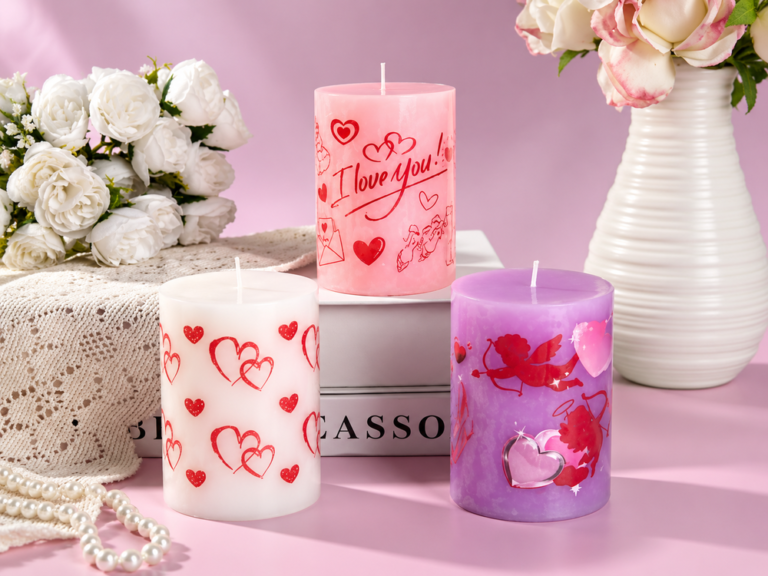
Walk into three candle shops and you may find three completely different bestsellers.
One store might lead with vanilla and coffee. Another may be built around sandalwood, amber and oud. A coastal lifestyle brand could sell mostly sea salt, linen and citrus scents.
That is why the question “What are the most popular candle scents?” does not have one universal answer. Preferences change with the market, season, room, brand positioning and the memories people associate with fragrance.
Even so, several scent directions appear repeatedly in successful candle collections. Vanilla, lavender, sandalwood, citrus, rose, jasmine, amber, ocean-inspired scents, coffee and seasonal spices all have broad commercial appeal.
Fragrance matters enormously in candle purchasing. The National Candle Association reports that scent is the most important characteristic for many candle buyers, while an estimated 75% to 80% of candles sold in the United States are scented. It also estimates that consumers can choose from more than 10,000 candle scents.
The challenge for a candle brand is therefore not simply finding a popular scent. It is choosing the right scents for the right customers.
What Are the Most Popular Candle Scents?
Popular candle scents commonly include:
- Vanilla
- Lavender
- Sandalwood
- Cedarwood
- Amber
- Rose
- Jasmine
- Citrus
- Sea salt
- Clean linen
- Coffee
- Apple and cinnamon
- Fig
- White tea
- Seasonal spice blends
These scents remain familiar because they are easy to connect with a mood or setting.
Vanilla feels warm and comforting. Lavender suggests a quiet bedroom. Citrus can make a room feel brighter. Sandalwood and amber suit richer interiors, while sea salt and linen work well in clean, modern spaces.
However, popularity should not be confused with suitability. A bestselling vanilla candle may be right for a gift collection but wrong for a minimalist spa brand. An intense woody fragrance may work beautifully in a hotel lobby but feel too heavy in a small bedroom.
The best candle scent is the one that fits the product, the room and the person buying it.
Understanding Candle Fragrance Families
A fragrance family groups scents with similar characteristics.
Different fragrance wheels use slightly different names, but the main home-fragrance families usually include floral, citrus, woody, amber, gourmand, aromatic, green, fruity and marine or ozonic scents.
A finished candle fragrance rarely contains only one note. It is usually a blend of ingredients arranged in layers:
- Top notes create the first impression.
- Middle notes form the main character of the scent.
- Base notes add depth and often remain noticeable for longer.
Citrus and soft floral notes frequently appear near the top of a fragrance. Flowers, fruit and lighter woods often shape the middle. Vanilla, amber, musk, spices and deeper woods commonly support the base.
Understanding these layers makes it easier to build a collection that feels varied without becoming disconnected.
Popular Floral Candle Scents
Floral candles range from airy and delicate to rich and dramatic.
Some smell like fresh petals in daylight. Others are creamy, powdery or almost sensual. The result depends on the flower and the notes blended around it.
Popular floral directions include:
- Rose
- Jasmine
- Lavender
- Magnolia
- Orange blossom
- Gardenia
- Osmanthus
- Lily of the valley
- Orchid
- Peony
Rose
Rose is one of the most recognizable floral scents, but it does not have to feel traditional.
A fresh rose fragrance may include green leaves, citrus or dew-like notes. A darker rose can be paired with amber, oud, patchouli or musk. For gifting collections, rose also works naturally with berry and soft fruit notes.
Jasmine
Jasmine can be bright and clean or rich and creamy.
It works well in luxury hotel, evening and romantic candle collections. When combined with tea, citrus or light woods, jasmine becomes easier to use in modern interiors.
Lavender
Lavender remains a familiar choice for bedrooms, guest rooms and quiet evening routines.
It can be presented as a simple herbal floral, but it also blends well with juniper, cedarwood, vanilla, bergamot and chamomile-style notes.
Magnolia and Osmanthus
Magnolia tends to feel soft, elegant and polished. Osmanthus can introduce floral, fruity and lightly apricot-like impressions.
Both are useful when a brand wants a floral candle that feels less expected than rose or lavender.
Popular Citrus Candle Scents
Citrus fragrances are bright, approachable and easy to place in a home.
Common notes include:
- Lemon
- Bergamot
- Mandarin
- Sweet orange
- Grapefruit
- Lime
- Yuzu
- Neroli
Citrus scents are often chosen for kitchens, bathrooms, offices and spring or summer collections.
A purely citrus candle may feel sharp or short-lived, so perfumers often combine citrus notes with herbs, flowers or woods.
For example:
- Lime, basil and mandarin
- Bergamot and cedarwood
- Grapefruit and rosemary
- Orange blossom and sandalwood
- Lemon and green tea
These combinations keep the opening fresh while giving the fragrance more body.
Citrus is also a useful bridge between other fragrance families. Bergamot can soften a woody candle, while mandarin can make a floral scent feel more energetic.
Popular Woody Candle Scents
Woody fragrances have become an important part of premium home fragrance.
They can feel dry, smoky, creamy, earthy or resinous depending on the materials used.
Popular woody candle notes include:
- Sandalwood
- Cedarwood
- Oud
- Agarwood
- Vetiver
- Patchouli
- Guaiac wood
- Ebony
- Pine
- Fir
Sandalwood
Sandalwood is smooth, warm and often slightly creamy.
It works well alone but is especially versatile in blends. It can soften florals, deepen vanilla, add warmth to tea scents or create a more polished base for citrus.
Cedarwood
Cedarwood usually feels drier and more structured than sandalwood.
It suits modern, masculine, outdoor-inspired and hotel-style collections. Common pairings include cedarwood with amber, juniper, bergamot, tobacco-style notes or balsam fir.
Smoked Woods
Smoked ebony, incense, oud and charred wood directions create a darker atmosphere.
They can be very effective in evening, autumn and winter collections, although their intensity should be balanced carefully. A small amount of citrus, spice or soft floral character can keep a smoky candle from becoming overly heavy.
Popular Fresh, Marine and Clean Candle Scents
Fresh fragrances are often described with words such as clean, airy, watery, mineral or breezy.
They may include:
- Sea salt
- Ocean breeze
- Rain
- Ozone
- Cotton
- Linen
- Cucumber
- Water lily
- Sage
- Eucalyptus-style notes
These fragrances are popular in bathrooms, spas, guest rooms and modern apartments because they do not dominate the room as quickly as some sweet or spicy scents.
However, “clean” does not mean plain.
A sea-salt candle may include sage and driftwood. A cotton fragrance may be softened with musk. An ocean scent can be grounded with moss, cedar or amber.
The most convincing fresh scents usually contain contrast. Without a supporting floral, mineral or woody note, a clean fragrance can feel thin or overly functional.
Popular Gourmand Candle Scents
Gourmand fragrances are inspired by food, drinks and dessert-like aromas.
They include familiar notes such as:
- Vanilla
- Coffee
- Chocolate
- Caramel
- Honey
- Almond
- Cream
- Coconut
- Cake
- Berries
- Pastry spices
Is Vanilla the Most Popular Candle Scent?
There is no single global ranking that makes vanilla the official number-one candle fragrance.
Still, vanilla is one of the most dependable choices for a commercial collection. It is familiar, easy to understand and highly adaptable.
Vanilla can feel:
- Soft and milky
- Dark and smoky
- Sweet and bakery-inspired
- Warm and woody
- Fruity and playful
- Luxurious when paired with amber or sandalwood
This flexibility explains why vanilla appears in everything from simple jar candles to novelty dessert candles and premium hotel collections.
Coffee
Coffee candles often create an immediate sense of warmth.
A realistic roasted-coffee scent can suit cafés and kitchen spaces. Coffee blended with vanilla, cream, cocoa or wood feels more like a lifestyle fragrance and less like a literal cup of coffee.
Cake and Ice Cream Scents
Dessert-style candles are especially suitable for colorful, playful and gift-oriented products.
Examples include vanilla cake, matcha pastry, coconut mango, blueberry lemon and vanilla strawberry ice cream. In these products, appearance and fragrance need to tell the same story.
Candle color can influence what shoppers expect to smell. The National Candle Association notes that buyers commonly associate candle colors with their perception of a fragrance, which is why visual design and scent should be developed together.
Popular Amber and Spicy Candle Scents
Amber is not one single natural ingredient. In fragrance, it generally describes a warm composition built from resinous, sweet, woody, musky or vanilla-like notes.
Amber candles may feel:
- Warm
- Smooth
- Sensual
- Powdery
- Resinous
- Dark
- Luxurious
They often include sandalwood, patchouli, labdanum-style notes, musk, vanilla or soft spices.
Spicy candle scents may feature:
- Cinnamon
- Clove
- Nutmeg
- Cardamom
- Ginger
- Pepper
- Saffron
These fragrances are strongly associated with autumn and winter, but they can also work year-round when used with restraint.
Cardamom with coffee can feel contemporary. Ginger with citrus feels brighter. Saffron with woods and amber can support a premium hotel-style collection.
Popular Herbal and Green Candle Scents
Herbal and green fragrances appeal to customers who prefer something less sweet.
Common notes include:
- Basil
- Sage
- Rosemary
- Mint
- Thyme
- Tea leaves
- Moss
- Tomato leaf
- Fig leaf
- Grass
- Bamboo
These scents are often paired with citrus, fruit or wood.
A green candle can feel crisp and botanical, but it may also feel earthy and atmospheric. Himalayan moss, tomato and basil, black tea, juniper and lavender are examples of green or aromatic directions with a distinct identity.
They work particularly well for spa, wellness, office and nature-inspired collections.
Popular Fruity Candle Scents
Fruity candles can range from fresh and juicy to dark and wine-like.
Popular examples include:
- Pear
- Peach
- Apricot
- Apple
- Pomegranate
- Fig
- Lychee
- Berries
- Passionfruit
- Mango
Fruit fragrances often become more refined when paired with another family.
Pear blossom feels lighter than simple pear. Apricot with floral notes can feel soft and elegant. Pomegranate with red berries creates a richer profile, while fig with wood or amber suits a more mature collection.
Tropical fruits such as mango, passionfruit and pineapple work well in summer ranges and decorative novelty candles.
Popular Candle Scents by Season
Seasonal buying habits give brands a reason to refresh a collection without replacing every core fragrance.
| Season | Fragrance directions that commonly fit |
|---|---|
| Spring | Magnolia, rose, pear blossom, green tea, citrus and soft herbs |
| Summer | Sea salt, ocean breeze, lime, grapefruit, cotton and tropical fruit |
| Autumn | Fig, amber, cedarwood, coffee, apple and warm spice |
| Winter | Vanilla, sandalwood, fir, balsam, cocoa, pastry and smoky woods |
These are useful starting points rather than fixed rules.
A fresh citrus candle can still sell in winter, especially in warmer climates. A sandalwood candle may remain popular throughout the year if it forms part of the brand’s signature.
For international projects, climate matters. A winter-themed product developed for Northern Europe may not suit a year-round collection in Southeast Asia or the Middle East.
Popular Candle Scents by Room
People do not choose fragrance in isolation. They imagine where the candle will be used.
Bedroom
Bedroom candles generally suit softer fragrance profiles:
- Lavender and juniper
- White tea
- Sandalwood
- Magnolia
- Light musk
- Pear blossom
Very strong gourmand or smoky scents may feel overwhelming in a small sleeping area.
Living Room
The living room can handle more complex fragrances:
- Cedarwood and amber
- Fig and sandalwood
- Jasmine tea
- Sea salt and sage
- Vanilla and cream
- Pomegranate and red berries
Because this is often a social space, the fragrance should be noticeable without becoming distracting.
Bathroom and Spa
Fresh, herbal and mineral profiles work naturally here:
- Eucalyptus-style notes
- Sea salt
- Cucumber
- Green tea
- Lime and basil
- White flowers
- Moss and clean woods
Hotel Guest Room
Hotel guest-room scents need broad appeal.
White tea, light woods, citrus, soft florals and clean musk directions are often easier to accept than highly sweet, smoky or experimental fragrances.
The scent should feel polished but should not compete with bedding, toiletries or the room’s cleaning products.
Retail Store
A retail candle may be selected to express a brand rather than simply fragrance a room.
A fashion store could choose amber and leather-style notes. A natural skincare shop may prefer tea, herbs and light woods. A dessert shop may use vanilla, coffee or pastry-inspired scents.
Office
Office candles, where permitted, should generally feel clear and unobtrusive:
- Citrus
- Tea
- Mint
- Light woods
- Green herbs
In shared spaces, strong sweetness or heavy florals can divide opinion quickly.
Restaurant or Café
Fragrance requires particular care around food.
A candle should not compete with what guests are eating. In a café, subtle coffee, vanilla or wood may suit the setting, but a strong artificial dessert scent could interfere with the actual food aroma.
How to Choose Candle Scents for a Private Label Collection
A private-label candle range should begin with a customer and a setting, not a list of fragrance names.
Start With the Brand Position
A hotel-inspired brand may choose white tea, sandalwood, amber and soft florals.
A colorful gifting brand may prefer vanilla cake, berries, peach, mango and playful cream scents.
A nature-focused collection might use moss, cedarwood, fir, sage, ocean and green tea.
The collection should sound as though every fragrance belongs to the same brand, even when the individual scents are different.
Balance Familiar and Distinctive Scents
A range made entirely from unusual fragrances can be difficult for new customers to understand.
On the other hand, a collection containing only vanilla, rose and lavender may feel interchangeable with many competitors.
A useful approach is to combine:
- One or two familiar scents
- One fresh or clean scent
- One woody or amber scent
- One distinctive signature fragrance
- One seasonal option when appropriate
Consider the Target Market
Fragrance preference can change by country, age group, retail channel and price level.
Before approving a collection, brands should review:
- Existing customer feedback
- Competitor positioning
- Local climate
- Gifting occasions
- Retail display environment
- Typical room size
- Expected price point
- Seasonal sales periods
A fragrance that smells attractive in a small sample bottle still needs to make sense when presented as a finished candle.
Test Cold Throw and Hot Throw
A fragrance name may attract attention, but the candle must also perform.
The fragrance should be evaluated both before lighting and while the candle is burning. If the cold scent is appealing but the room remains unscented, the issue may involve the wax, wick, cure time or melt pool rather than the fragrance concept.
For more detail, connect this section to the guides on:
- Why a scented candle may not smell when burning
- How much fragrance oil to add to candle wax
- How long scented candles last
Manufacturers develop candle fragrances as part of a complete formulation. The National Candle Association notes that the fragrance must be suitable for candle use and compatible with clean, proper burning.
Match the Packaging to the Fragrance
The product should make visual sense before the customer even opens it.
A marine candle may use pale blue, mineral grey or soft green. A coffee candle can support brown, cream and gold. A rose fragrance may be interpreted through blush pink, burgundy or a restrained neutral palette.
This does not mean every lavender candle has to be purple. It means the color, vessel, label, name and fragrance should tell one coherent story.
How Many Scents Should a Candle Collection Include?
There is no required number.
A practical first launch may contain three scents:
- A familiar, accessible fragrance
- A fresh or clean fragrance
- A more distinctive signature scent
A broader retail collection might include four to six scents, giving customers variety without creating excessive inventory.
For a larger range, the collection can be divided into clear groups:
- Core scents available year-round
- Seasonal scents
- Gift-exclusive fragrances
- Hospitality or corporate custom fragrances
This is an operating recommendation, not an industry rule. The correct number depends on minimum order quantities, packaging investment, fragrance testing costs, sales channels and the brand’s ability to manage stock.
CandleScience similarly recommends building a balanced core range across fragrance families without offering so many choices that customers or the business become overwhelmed.
Example of a Balanced Six-Scent Collection
A new private-label brand could begin with:
| Role in the collection | Example scent direction |
|---|---|
| Familiar bestseller | Vanilla cream |
| Fresh everyday scent | Lime, basil and mandarin |
| Soft floral | Magnolia blossom |
| Woody signature | Sandalwood and cedar |
| Rich evening scent | Amber and smoked ebony |
| Seasonal or playful scent | Coffee bean or vanilla strawberry |
The exact fragrances would change according to the brand, but the structure gives customers clearly different reasons to choose each candle.
Final Thoughts
The most popular candle scents are not limited to one bestseller list.
Vanilla, lavender, sandalwood, citrus, rose, jasmine, amber, sea salt, coffee and seasonal spices all remain useful commercial directions, but their success depends on how they are presented.
A good candle collection balances familiarity with personality.
It gives the customer something easy to understand, something suited to the intended room and at least one fragrance that feels distinctive to the brand.
For private-label development, scent selection should be considered alongside the wax, wick, vessel, packaging, target market and expected use environment. Fragrance is not simply added at the end of product development. It is one of the decisions that shapes the entire collection.
Developing a Private Label Fragrance Product?
Talk with our team about fragrance development, packaging and production requirements.