For home fragrance brands, eucalyptus offers a recognizable fresh direction. It also needs careful positioning: the same aromatic edge that one customer associates with a spa may remind another of a medicinal product.
The Main Facets of Eucalyptus
“Cool” describes the impression of the scent, not a change in room temperature. “Camphoraceous” refers to an aromatic character that can feel penetrating and clear. Green or woody supporting facets can make the overall fragrance feel more naturalistic, while sweeter additions may soften it.
Eucalyptus is a broad botanical and commercial material category. Different species, extracts and formulated fragrances can vary. Avoid treating a description of one supplier’s oil as the universal profile of every eucalyptus material.
Eucalyptus, Peppermint and Pine: What Is Different?
| Note | Starting impression | Useful comparison question |
|---|---|---|
| Eucalyptus | Cool, leaf-like, camphoraceous | Does it feel leafy or strongly medicinal? |
| Peppermint | Minty and sharply fresh | Is recognizable mint sweetness welcome? |
| Pine | Green, coniferous and woody | Is the collection aiming for forest character? |
These notes can appear together, but they are not interchangeable. A eucalyptus-and-mint concept will communicate a different identity from a eucalyptus-and-dry-wood fragrance. Ask for the character you want rather than substituting one note name for another.
Four Creative Directions to Compare
A soft eucalyptus-and-lavender brief can explore the balance between aromatic freshness and a floral heart. Request a version with a gentler eucalyptus edge if your audience prefers quieter fragrances.
Eucalyptus with tea or clean musk is another direction for understated interiors. Make “clean” more specific: airy, linen-like and powdery versions can be very different. A citrus pairing can emphasize a brighter entrance impression, while dry woods can bring more structure to a forest-inspired range.
Compare these concepts before committing to packaging language. A minimal white bottle does not make a strong, camphoraceous formula subtle; the product and presentation should tell the same story.
Choosing the Right Setting
The phrase “spa scent” is a creative association, not a specification or a health benefit. Describe the physical space and desired intensity. A small treatment room, an open retail floor and a home bathroom have different practical constraints.
Build a simple evaluation session in the intended setting. Record how the sample feels after initial exposure and after stepping away and returning. Include more than one evaluator where practical, because familiarity and individual preferences affect the response.
If people disagree, document the language they use. “Fresh” versus “too medicinal” is useful feedback: it identifies the facet the developer should adjust. A single overall score can hide that decision.
What to Check in Each Product Format
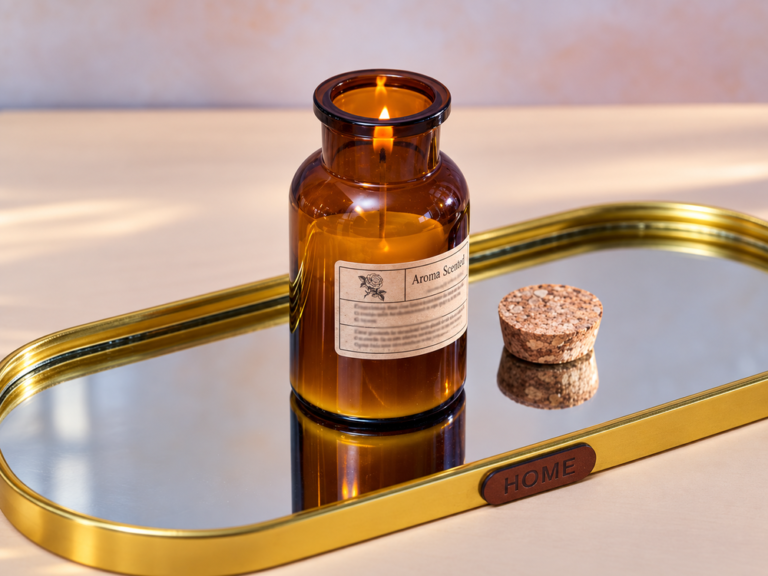
For a candle, compare the aromatic character of the unlit jar with the impression during burning under a defined test procedure. Check whether the eucalyptus edge becomes too dominant relative to the intended supporting notes.
For a reed diffuser, use the final liquid, bottle and reed arrangement. Changing reed count to increase intensity also changes the configuration customers receive, so record that adjustment. For sprays, evaluate the initial cloud and the remaining room impression. Products described for fabric need their own fabric-use assessment.
Do not infer therapeutic, antibacterial, air-purifying or universal safety claims from the word eucalyptus. A home fragrance article can describe atmosphere and odor without presenting the product as a treatment.
A Practical Sample Brief
Write the intended format, target setting and preferred intensity first. Then specify the acceptable aromatic edge: pronounced, moderate or softened. Identify whether mint, citrus, floral or wood should provide the main supporting character, and list any associations to avoid.
Our fragrance creation guide explains how these decisions guide development. Fragrance accords explain why a finished eucalyptus scent is more than one ingredient.
Frequently Asked Questions
Does eucalyptus smell like mint?
It can have a cool impression, but its camphoraceous, leaf-like character differs from a recognizable mint note.
Is every eucalyptus fragrance an essential oil?
No. Some are formulated compositions designed to create a eucalyptus impression. Confirm the actual material description.
Does a eucalyptus candle purify the air?
A scent name does not establish that claim. Describe its fragrance character unless appropriate product evidence supports a separate claim.
Can eucalyptus be a year-round fragrance?
It can be developed that way. The surrounding notes and intensity determine whether it fits your collection’s intended use.
Contact OLFAY with your setting and preferred scent direction to discuss eucalyptus-led samples.
Further Reading
Developing a Private Label Fragrance Product?
Talk with our team about fragrance development, packaging and production requirements.